
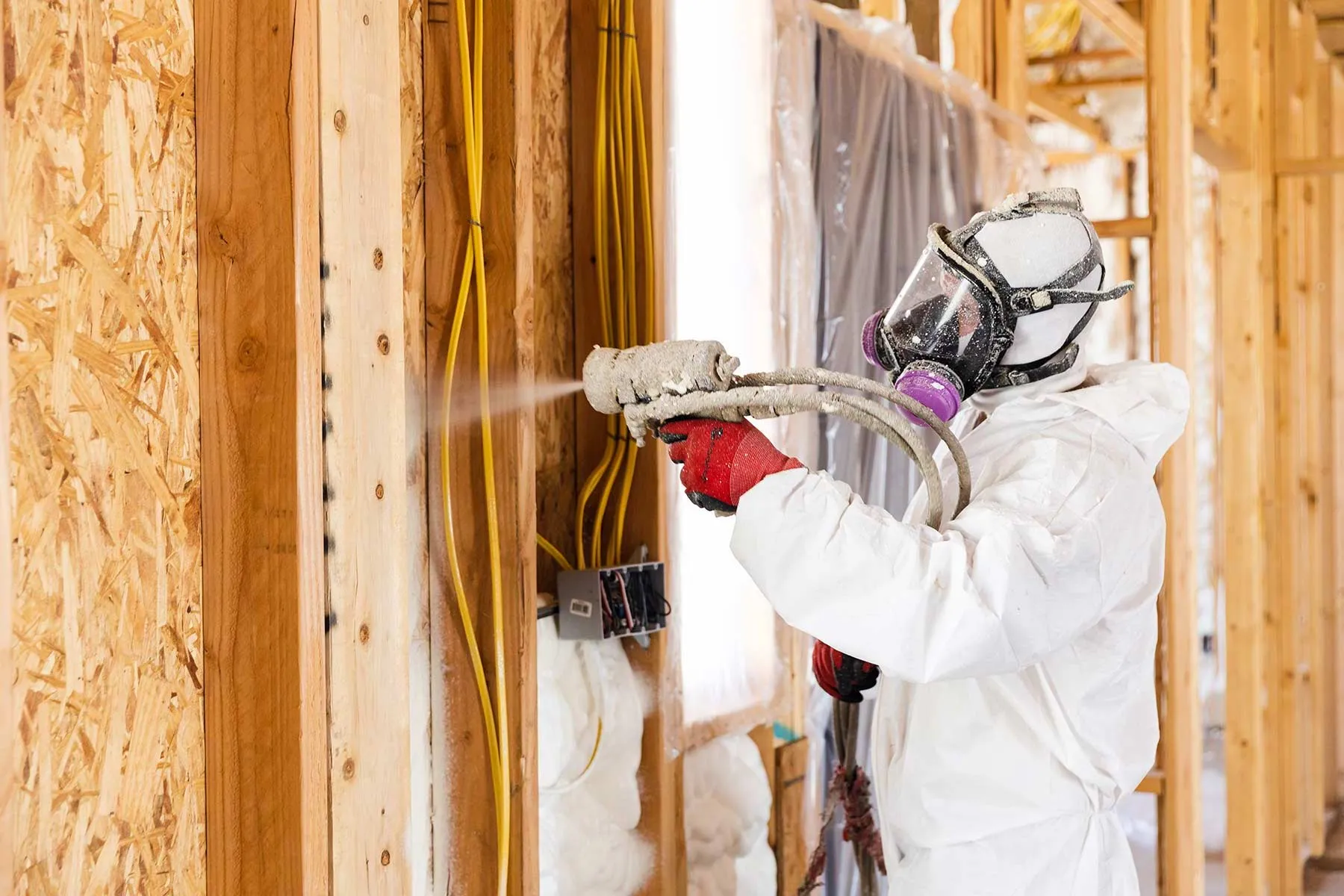
Spray Foam Insulation in Chandler, AZ
Professional spray foam insulation for Chandler homes, garages, additions, metal buildings and commercial properties.
Chandler, AZ Insulation Services for Larger Homes and Big Attics
Chandler builds big. Compared to the rest of the East Valley, homes here tend to have more square footage, higher ceilings, larger lots, and more roof area sitting under the Arizona sun. That is great for living space and hard on cooling costs. Tempe Spray Foam Insulation serves Chandler homeowners with spray foam, blown-in insulation, batts, radiant barriers, and insulation removal sized for the homes that actually exist here.
From the established neighborhoods near downtown Chandler to the larger two-story homes in the southern part of the city, we see the same pattern: plenty of attic, plenty of ductwork, and insulation that was never sized for the load. We also serve Gilbert, Tempe, and Ahwatukee from the same crew. Call (480) 573-6554 for a free attic evaluation.
Bigger Homes Mean Bigger Cooling Loads
Cooling cost math is simple: more volume to cool and more ceiling exposed to the attic means more work for your AC system. A 3,000 square foot Chandler home with vaulted ceilings and a bonus room over the garage has a very different insulation profile than a small ranch house, and it needs a contractor who measures instead of guessing.
Two-story homes add another wrinkle. Heat rises, and the second floor sits directly under the hottest part of the attic. If the insulation over the upstairs bedrooms is thin or full of gaps around can lights and duct chases, the upstairs will never match the downstairs no matter how low you set the thermostat.
Many Chandler homes were built in the growth waves of the 1990s and 2000s. Builder-grade insulation from that era met code at the time, but code minimum in 1998 is not comfort in 2025. The good news is that large attics are usually easy to access and fast to upgrade.
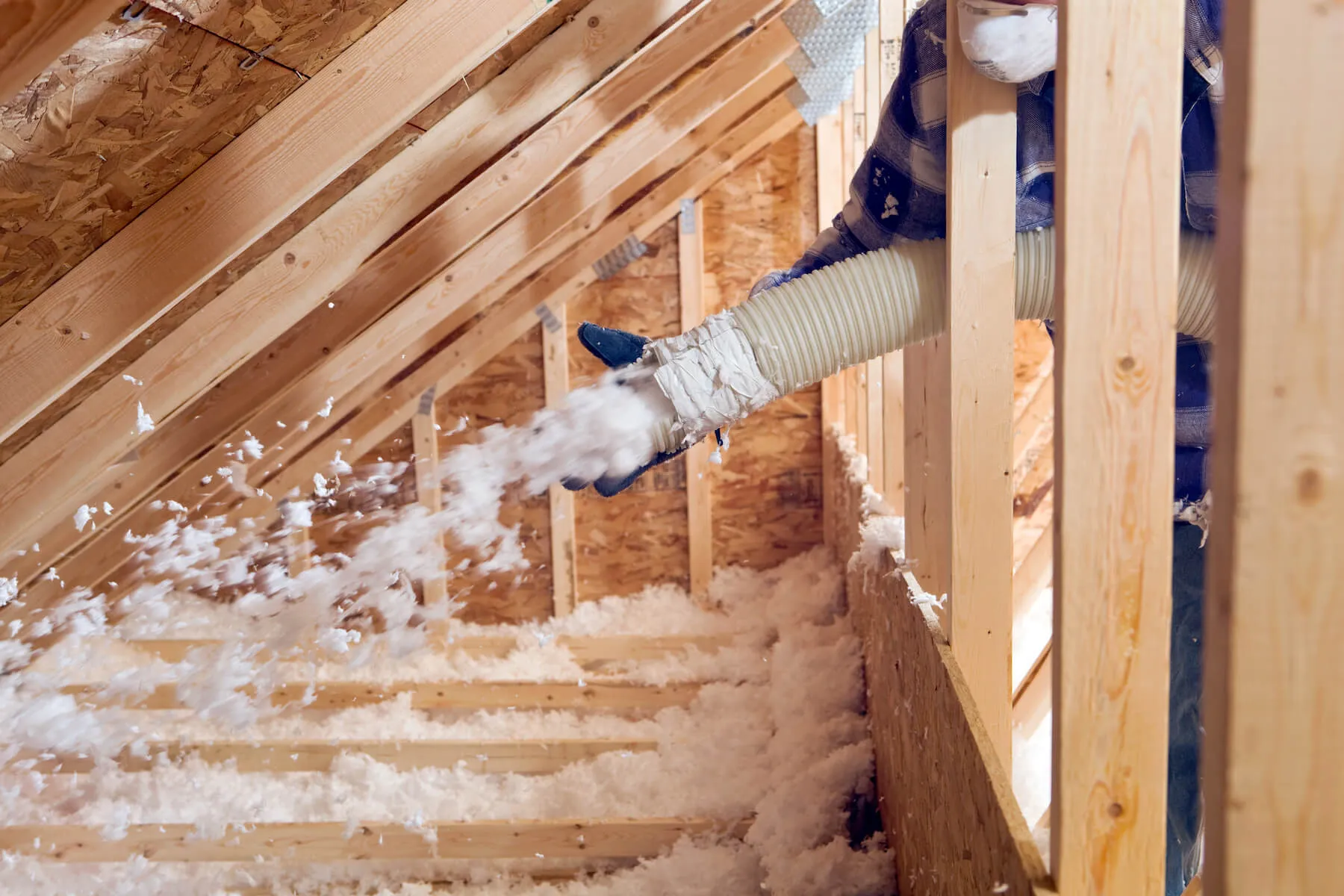
Blown-In Insulation for Large Chandler Attics
For most Chandler homes, blown-in fiberglass or cellulose is the workhorse upgrade. Large attic footprints are exactly where blown material shines, because it flows into every corner, over every joist, and around every obstruction at a consistent depth. We install to R-38 or better, and on a big attic the difference shows up on the very next power bill.
Chandler attics often come in sections: the main house, the garage, the bonus room, and covered patio tie-ins, each framed differently. We treat each section on its own terms rather than blowing one depth everywhere and hoping for the best. Vaulted ceiling areas get dense packed attention where access allows.
A typical blown-in job on a larger Chandler home takes the better part of a day including setup, and the disruption to your household is minimal. Call (480) 573-6554 and we will measure your attic and give you a straight number.
Spray Foam for Chandler Homes, New and Old
Spray foam earns its premium price in Chandler for one main reason: big homes have big duct systems, and almost all of that ductwork runs through a 140 degree attic. Open cell spray foam applied to the underside of the roof deck brings the entire attic inside the thermal envelope, so your ducts deliver the air temperature they were designed to deliver.
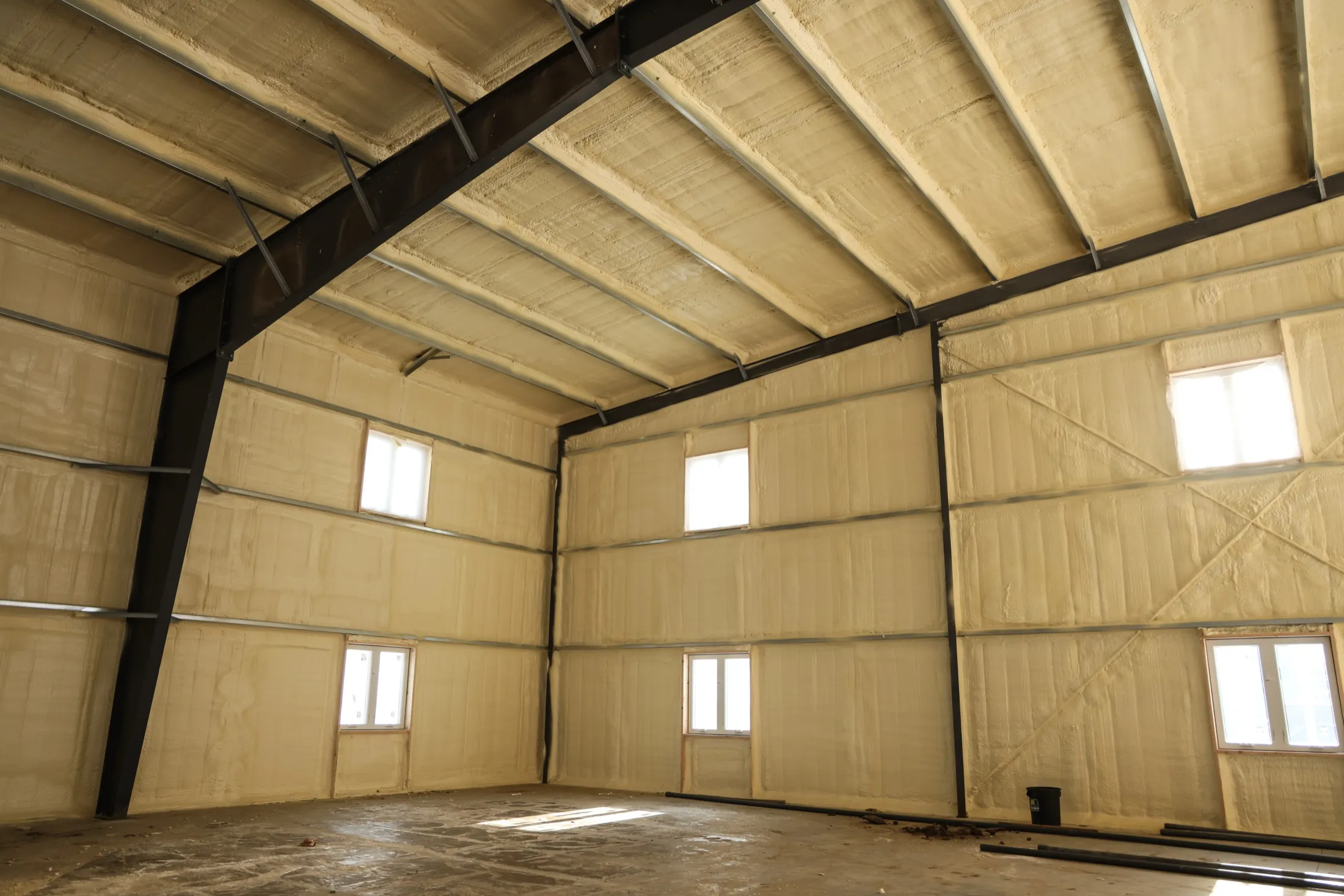
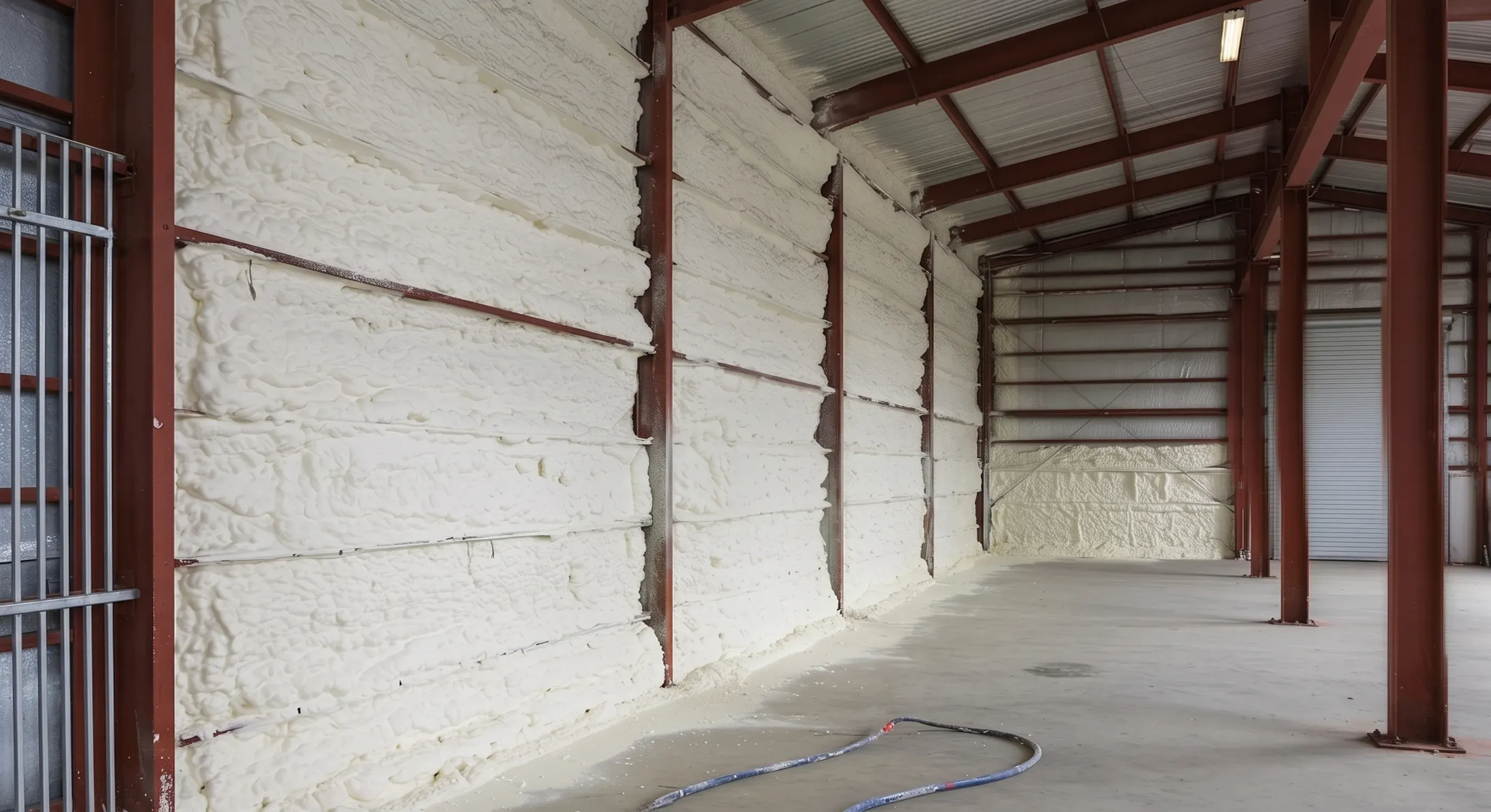
For newer construction and additions, we install open cell and closed cell foam in walls, roof decks, and rim joist areas. For retrofits in existing homes, the roof deck application is the most common, often paired with removal of the old ceiling insulation once the thermal boundary moves to the roofline.
Closed cell foam is the right tool where space is tight or moisture resistance matters. Bonus rooms over garages are a classic Chandler example: foam in the floor and ceiling cavities turns the most uncomfortable room in the house into usable space. We will tell you plainly whether foam makes financial sense for your home or whether blown-in gets you ninety percent of the benefit for half the cost.
Radiant Barriers in Two-Story Chandler Homes
If your upstairs bedrooms run hot all summer no matter what the thermostat says, radiant heat is a big part of the story. Your roof deck absorbs sun all day and radiates that heat downward into the attic. A radiant barrier stapled along the rafters reflects the majority of that radiant energy back toward the roof before it ever reaches your insulation.
Radiant barriers are especially effective in homes with large roof areas and dark roofing materials, which describes a lot of Chandler. The barrier lowers overall attic temperature, which reduces the load on both your insulation and your ductwork.
We install radiant barriers as a standalone upgrade or paired with blown-in insulation, and we will always tell you the same thing: it is a complement to good insulation, never a substitute for it.
Batt Insulation for Casitas, Shops, and RV Garages
Chandler's larger lots mean Chandler homeowners build things: detached casitas for guests or aging parents, workshops, RV garages, and pool houses. Almost none of these structures get insulated properly when they are built, and then everyone wonders why the casita is unusable from May through September.
Faced fiberglass batts fitted correctly into wall and ceiling cavities are the cost-effective answer for most of these buildings, often combined with a mini-split for cooling. We also insulate attached garage walls and ceilings, which matters more than people realize because the garage is usually the largest unconditioned space sharing a wall with your living area.
Every batt job we do is fitted, not stuffed. Compressed fiberglass loses R-value, and gaps around outlets and framing kill performance. Done right, batts deliver their full rated value for decades.
Insulation Removal and Attic Cleanouts in Chandler
Not every Chandler attic needs removal, but plenty do. We pull out builder-grade batts that have slumped off the ceiling joists, blown material contaminated by rodents, and insulation damaged by roof leaks or AC condensate overflows. Once contaminated material is in your attic, capping over it just seals the problem in.
Our removal equipment vacuums material directly from the attic into containment bags outside the home. While the attic is bare, we can air seal the ceiling plane, addressing the gaps around light fixtures, top plates, and chases that let conditioned air escape. Air sealing plus fresh insulation is where the real performance gains come from.
If you are planning a spray foam roof deck application, removal of the old ceiling insulation is usually part of the project. Call (480) 573-6554 and we will inspect your attic and lay out the options.
Typical Insulation Costs in Chandler
Chandler homes run larger than the Valley average, so insulation projects here tend to run larger too. Treat the following as typical market ranges, not quotes. Blown-in attic insulation for a larger Chandler home typically runs $2,000 to $4,000 depending on attic square footage and target depth. Removal typically adds $1 to $2 per square foot.
Spray foam roof deck applications on bigger attics typically range from $4,000 to $8,000 depending on size, foam type, and thickness. Batt work for garages and casitas typically falls between $1 and $2 per square foot installed. For radiant barriers, typical market pricing lands around $1 to $1.50 per square foot of roof deck.
Your actual price depends on your attic, your goals, and the condition of what is up there now. We give free evaluations and written numbers you can think about. No pressure, no games. Call (480) 573-6554 to schedule.
Why Two-Story Chandler Homes End Up with Hot Upstairs Rooms
If the upstairs of your Chandler two-story runs five to ten degrees hotter than the downstairs from May through September, the cause is almost never the AC unit itself. It is the stack effect working against you all summer. Heat pours through the roof into the attic, the attic hits 140 degrees or more on a July afternoon, and that heat radiates down through the ceiling into the upstairs rooms. Meanwhile the cool air from your system is dense and wants to stay low, so the downstairs gets comfortable while the upstairs cooks.
The fix starts in the attic, not at the thermostat. Bringing attic insulation up to proper depth, sealing the gaps around can lights, top plates, and the attic hatch, and making sure the duct runs feeding the upstairs are sealed and insulated all work together. In many Chandler homes we also find that the upstairs supply runs are the longest in the house, so any duct leakage disproportionately starves the rooms that need air the most. Address the attic as a system and most hot upstairs complaints drop dramatically without touching the AC equipment.
Insulating Garages and Bonus Rooms on Chandler's Larger Lots
Chandler's larger lots mean more homes with attached three-car garages, casitas, and converted bonus rooms, and these spaces are usually the least insulated square footage on the property. A west-facing garage with an uninsulated door and no ceiling insulation becomes a heat battery that shares a wall with your kitchen or family room. A bonus room over the garage is even worse, because it has exterior exposure on five sides: four walls plus a floor over a hot garage.
For garages used as workshops, gyms, or storage for anything heat sensitive, insulating the ceiling and the garage door makes a noticeable difference even without adding cooling. For bonus rooms over garages, the floor cavity is the critical detail. That floor needs to be fully filled and air sealed, and if the room never quite matches the rest of the house, the knee walls and ceiling need attention too. These are contained projects that usually take a day and solve comfort complaints that have been annoying homeowners for years.
How Chandler Homeowners Should Compare Insulation Bids
When you collect bids for insulation work in Chandler, the lowest number is rarely the best value because insulation bids are easy to make look cheap. The first thing to compare is the specified end result, not the material. An attic bid should state the target R-value or the installed depth in inches, not just "add blown insulation." If one contractor bids R-38 and another bids a vague top-off, you are not comparing the same job.
Next, look at what is included beyond the material itself. Does the bid include air sealing of penetrations before the insulation goes down? Does it include baffles at the eaves so soffit vents stay open? Is removal of old or damaged insulation included or excluded? Are ducts being inspected and sealed while the crew is up there? These line items are where corners get cut.
Finally, ask each contractor to walk the attic with you or show you photos of current conditions. A bid written without anyone looking at your attic is a guess. We are happy to inspect, document what we find, and give you a number tied to a specific scope. Call (480) 573-6554 to schedule an attic evaluation in Chandler.
Frequently Asked Questions
Q: How do I know if my Chandler home needs more attic insulation?
A: The honest test is a tape measure in the attic. If you can see the tops of your ceiling joists, you are under-insulated for this climate. Other signs: upstairs rooms that never cool down, AC that runs constantly in summer, and big temperature differences between rooms. We measure and photograph everything during a free evaluation.
Q: What R-value is recommended for Chandler attics?
A: The Department of Energy recommends R-38 to R-60 for our climate zone. Most Chandler homes we inspect from the 1990s and 2000s building booms fall short of that in real performance, even if the original install technically met code at the time. We typically install blown-in to R-38 minimum.
Q: Can you insulate my casita or detached garage?
A: Yes. Detached structures on Chandler's larger lots are some of our most common jobs. Batts in the walls and ceiling are the standard approach, and spray foam is an option for tighter assemblies or buildings that will be conditioned year round.
Q: Is blown-in or spray foam better for a large attic?
A: It depends on your goals and budget. Blown-in on the attic floor is the best value for pure R-value per dollar. Spray foam on the roof deck costs more but brings your ductwork into conditioned space, which matters a lot in bigger homes with long duct runs. We will price both and let you decide.
Q: Does insulation help a two-story home with hot upstairs rooms?
A: Usually, significantly. The second floor sits closest to the attic heat, so thin or gapped insulation hits upstairs rooms hardest. Blown-in to proper depth, air sealing around can lights and chases, and a radiant barrier where appropriate typically even out the temperatures between floors.
Q: How disruptive is an insulation install?
A: Less than most people expect. Blown-in jobs are mostly run from the attic access with hoses from our truck, and most homes are done within a day. You can stay home during the work. Spray foam requires the home to be ventilated and typically vacated during application and for a period afterward, which we will plan around your schedule.
Q: Do you work with builders on new construction in Chandler?
A: Yes. We install batts and spray foam in new construction and additions across Chandler and neighboring Gilbert. Builder work is scheduled to hit rough-in windows, so the earlier you loop us in, the smoother the project goes.

Insulation Services Available in Chandler
Need Spray Foam in Chandler?
Talk with our team about your home, building or upcoming project.
Common Questions
Do you provide insulation services in Chandler?
Yes. Tempe Spray Foam Insulation provides residential and commercial insulation in Chandler, including spray foam insulation, blow-in insulation, batt insulation, radiant barriers, insulation removal, with free written estimates.
What type of insulation is best for Chandler homes?
It depends on the building. Attics, walls, garages and additions each hold and lose heat differently, so we assess the space during a free estimate and recommend the material that fits rather than defaulting to one method.
How do I get a free insulation estimate in Chandler?
Call us and we will schedule an on-site assessment of your Chandler property, then give you a written scope and price before any work begins.