
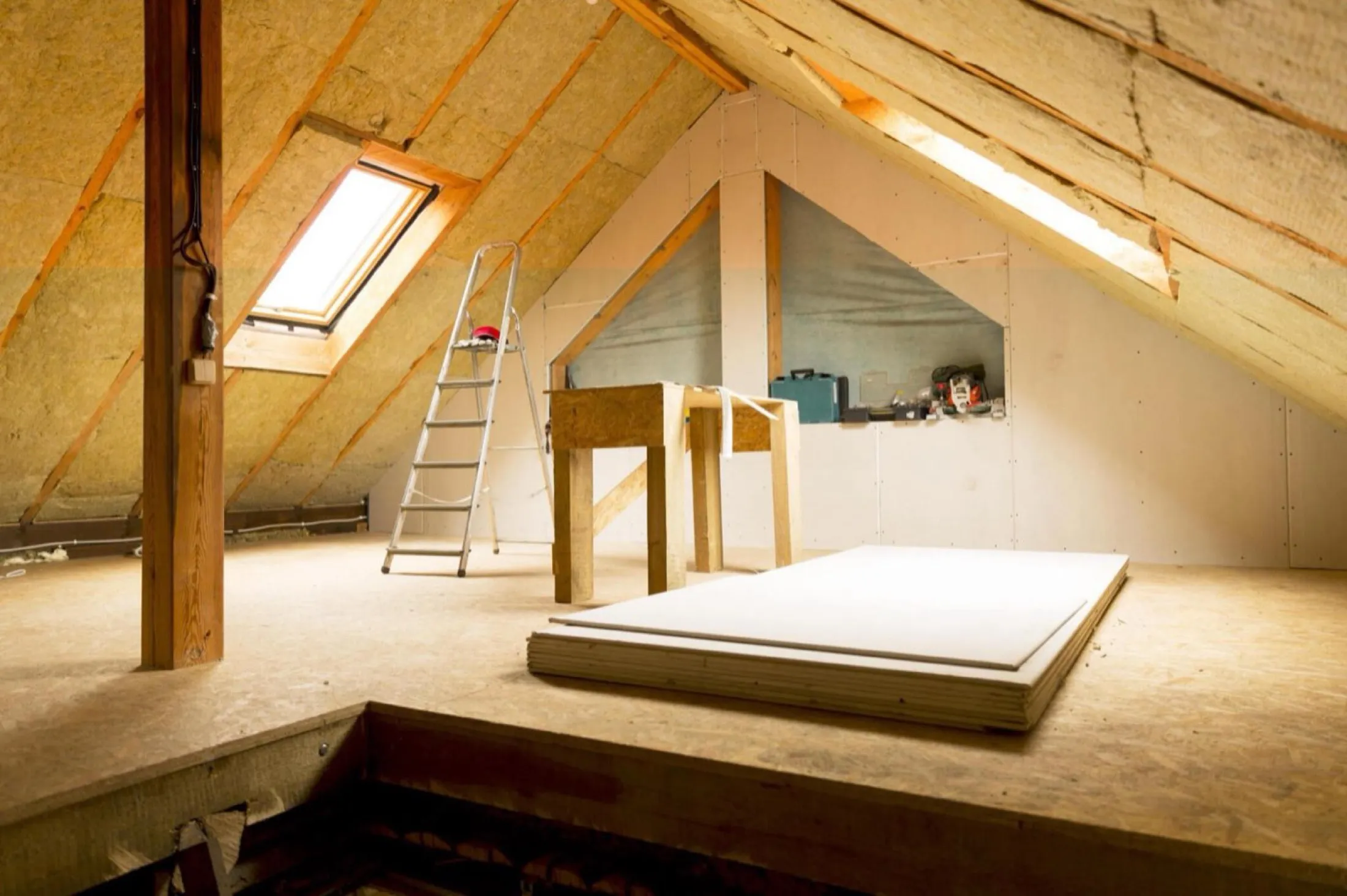
Insulation Removal in Arizona
Safe removal of old, damaged, or contaminated attic insulation.
Insulation Removal in Tempe, AZ
Nobody thinks about insulation removal until they have to, and in Tempe the have-to arrives in predictable ways: a roof leak that soaked the attic floor, rodents that turned the insulation into a nest, decades of evap cooler dust and debris, or a remodel that exposed what sixty years of attic history actually looks like. Tempe Spray Foam Insulation removes contaminated, damaged, and obsolete insulation throughout Tempe, Chandler, Mesa, Gilbert, and Ahwatukee, and we handle the job as a controlled extraction, not a dusty demolition.
Removal is also the honest starting point for many upgrade projects. Blowing fresh material over rodent waste, matted cellulose, or moisture-damaged fiberglass buries the problem and, in the case of contamination, keeps odor and allergens cycling into the house through ceiling penetrations. When removal is warranted, doing it first makes every downstream step, sealing, insulating, duct work, cleaner and more effective. Call (480) 573-6554 and we will inspect the attic and tell you whether removal is actually necessary or whether your existing material can stay.
Why Old Insulation Has to Go
Rodent damage is the most urgent reason. Roof rats are endemic in the older, tree-lined neighborhoods of Tempe, Chandler, and Mesa, and attics are their preferred nesting ground. Contaminated insulation holds urine, droppings, and nesting material, and the odor alone can persist through a simple top-up. Removal, followed by sanitizing the attic floor and sealing entry points, is the only complete fix.
Water damage is the second driver. A slow roof leak or a past monsoon intrusion mats fiberglass and cellulose, destroys R-value, and can support mold growth on the material and the drywall below. The third driver is age and disturbance: insulation that has been trampled by decades of service techs, disturbed by evap cooler and AC conversions, and mixed with debris often has more voids than coverage. In those cases, removal plus a clean re-insulation usually beats trying to patch a chaotic attic floor.
What We Find in 1960s-80s Tempe Attics
The typical Tempe ranch attic from that era contains some combination of the following: original blown fiberglass or rock wool settled to a few inches, a later layer of something else added on top, abandoned evap cooler ducts and wiring, relics of past cable and security installs, and debris from reroofs where old felt and shingle grit fell through the decking gaps. Occasionally we find vermiculite, which requires special handling because some historic vermiculite contained asbestos, and suspect material gets tested before anyone disturbs it.
We also routinely find evidence of past roof leaks nobody fixed at the ceiling level, bath fans venting directly into the attic, and duct chases left open from cooler days. A removal project is often the first time anyone has seen the whole attic floor clearly in decades, and it is the right moment to document and correct those defects before new insulation covers them again.
The Removal Process
Loose-fill material comes out with a high-powered vacuum through a large-diameter hose run from a truck or trailer outside, so debris goes directly from the attic to a sealed collection bag without passing through your home. Batt material is rolled, bagged in the attic, and passed down. The crew works in protective equipment with proper lighting, and we protect flooring and the attic access area before anything moves.
A typical single-story Tempe ranch attic takes most of a day for full removal, longer if contamination is heavy or access is tight. After extraction, we vacuum residual dust and debris from the attic floor, and where rodent contamination existed we apply a sanitizer or encapsulant to the affected surfaces. The goal is an attic floor you could eat off, because the next step, air sealing, requires clean access to every top plate and penetration.
Disposal and Safety
Removed insulation is bagged and disposed of properly. Standard fiberglass and cellulose go to construction disposal. Rodent-contaminated material is handled as contaminated waste, bagged and sealed in the attic, not dragged through the house. If testing confirms asbestos-containing vermiculite or other hazardous material, removal falls under licensed abatement rules, and we will stop, tell you, and refer you to a licensed abatement contractor rather than touch it ourselves. That is not a corner anyone should cut.
Safety during the job matters for the crew and for you. Attic work in Tempe means managing heat even in the cooler months, and summer attic work is scheduled early in the day with breaks, because a 150-degree attic is a genuine hazard. We ask that the home be vacant in the immediate access area during extraction, mostly to keep dust control simple.
What Happens After the Attic Is Clean
A bare attic floor is an opportunity that exists once in the life of a house. With every top plate, penetration, chase, and junction exposed, air sealing becomes fast and thorough: foam and mastic at every gap, covers over can lights, weatherstripping at the hatch, and sealing of the abandoned chases left from the evap cooler era. This is also the moment to confirm bath fans vent outside, to have an HVAC contractor repair duct leaks while everything is visible, and to install baffles at the eaves.
Skipping this window is the expensive mistake. If new insulation goes in over unsealed penetrations, the leakage continues under a fresh blanket, and fixing it later means disturbing the new material. We sequence removal jobs so sealing happens before re-insulation, every time. If rodent entry was the original problem, entry-point exclusion needs to happen before new material goes in as well, or you are re-insulating a future nest.
Pairing Removal With New Insulation
Most removal customers re-insulate the same week. The two standard paths are blown fiberglass or cellulose to R-38 or better at the attic floor, which suits a vented attic with the ducts below the blanket, or spray foam at the roofline, which converts the attic to a conditioned space and makes the most sense when ducts and the air handler live up there. We install both, and the removal quote includes a written comparison of the two paths so you can decide with real numbers.
For homes with flat or low-slope roof sections, removal often reveals that the ceiling under the flat section was never properly insulated at all, and closed cell foam becomes the clean answer for that section while the pitched areas get blown material. Mixed assemblies are normal in Tempe's ranch stock, and we spec them section by section rather than forcing one product across the whole house.
Typical Cost Ranges
Insulation removal in the Phoenix metro typically runs in the range of $1.00 to $2.50 per square foot depending on material type, depth, contamination level, and access, with heavy rodent contamination, difficult access, or hazardous-material precautions at the higher end. A standard Tempe ranch attic removal often lands in the low four figures, and bundling removal with sealing and re-insulation usually costs less than contracting the phases separately. Those are typical market ranges, not a quote.
The only number that matters is the one after an inspection, because depth, contamination, and access drive the labor. Call Tempe Spray Foam Insulation at (480) 573-6554 and we will look at the attic, test anything suspicious before touching it, and give you a written price for removal, sealing, and re-insulation as a scoped package.
Schedule an Attic Inspection
If you suspect contamination, have had a roof leak, are remodeling, or just know the insulation is original to a 1960s or 70s build, an inspection answers every question in under an hour. We serve Tempe, Chandler, Mesa, Gilbert, and Ahwatukee. Call (480) 573-6554 and we will tell you straight whether your attic needs full removal, a top-up, or nothing at all.
Real Arizona Projects
Other Insulation Services
Common Questions
Is insulation removal a good fit for Tempe-area buildings?
Yes. Insulation Removal works well for many Tempe-area homes and commercial buildings, but the right choice depends on the space, the assembly and how it is used. During a free estimate we confirm whether insulation removal or another option fits your building.
How much does insulation removal cost?
Cost depends on the area being treated, the material and thickness, access and prep. Estimates are free and given in writing, so you know the price before any work begins.
How long does a insulation removal project take?
Most projects are completed quickly once scheduled. Your written estimate includes the expected timeline for your specific Tempe-area project.
Want to Know What Your Project Would Cost?
Tell us about the property and we'll help you determine the next step.
Free Written Estimates • No Obligation • Local Arizona Team