
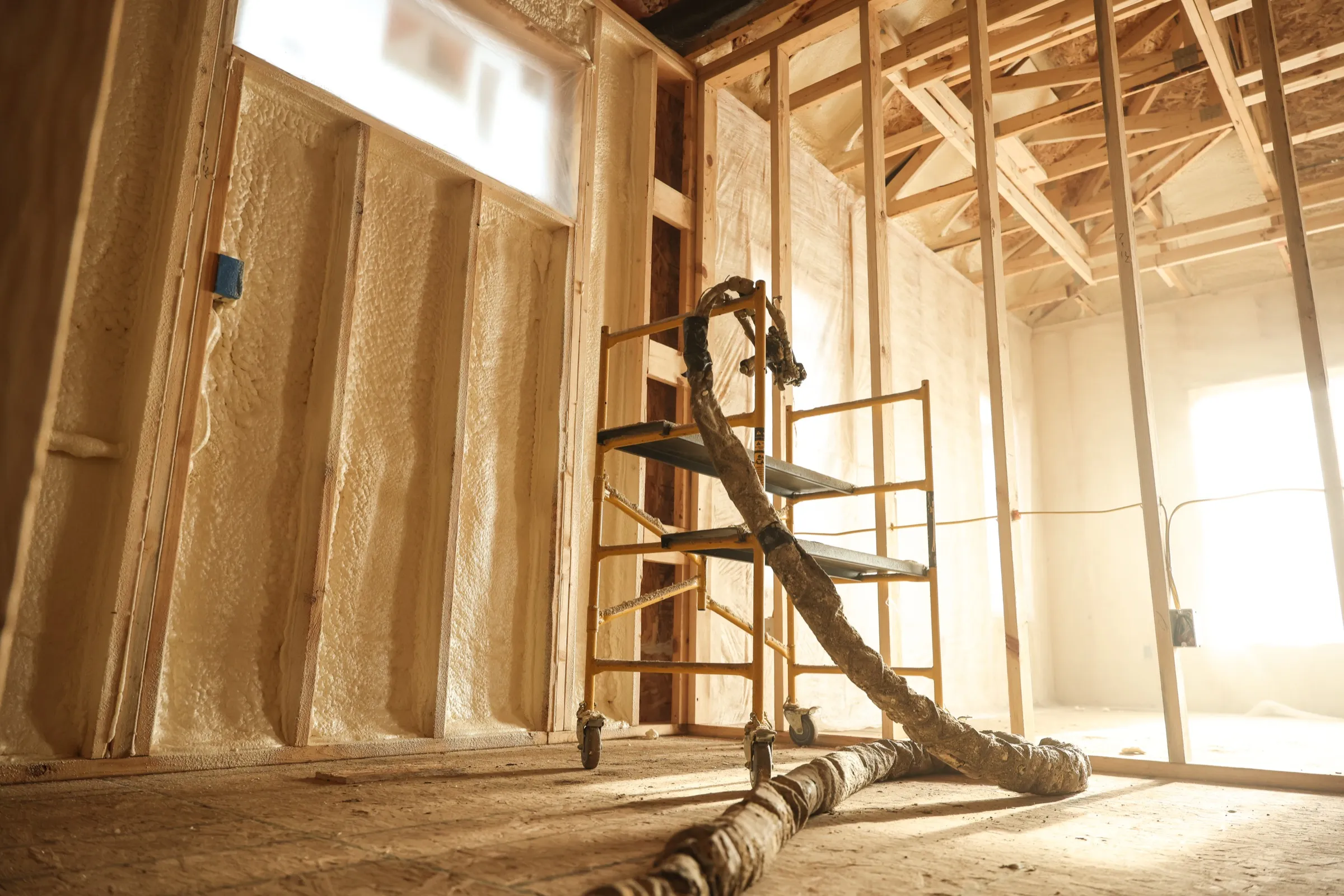
Spray Foam Insulation in Mesa, AZ
Professional spray foam insulation for Mesa homes, garages, additions, metal buildings and commercial properties.
Mesa, AZ Insulation Services for Older East Valley Homes
Mesa is the largest city in the East Valley, and a huge share of its housing stock went up between the 1960s and the early 1990s. East Mesa in particular is full of block construction ranch homes, Arizona rooms added decades ago, and attics that have not been touched since the original builder left. Tempe Spray Foam Insulation serves all of Mesa with insulation removal, blown-in insulation, batts, spray foam, and radiant barriers built for exactly this kind of housing.
We also serve Tempe, Chandler, and Gilbert, and we work everywhere from the established neighborhoods near downtown Mesa to the communities along the US 60 corridor. If your home was built before 1995 and the insulation has never been evaluated, it is time. Call (480) 573-6554 for a free attic inspection.
Insulation Removal Comes First in Older Mesa Homes
In Mesa, more than anywhere else we work, removal is where the conversation starts. Decades of Valley heat degrade fiberglass into a flat, dusty mat that insulates poorly. Add in rodent activity, old roof leak damage, and layers of piecemeal top-offs from different decades, and many East Mesa attics are carrying material that should come out before anything new goes in.
Our removal process vacuums old insulation directly from the attic into sealed bags outside your home, keeping dust and contamination out of your living space. With the attic bare, we air seal the ceiling plane, closing the gaps around light fixtures, plumbing penetrations, and top plates that leak conditioned air into the attic all day long.
Removal plus air sealing plus fresh insulation is the full reset an older Mesa home usually needs, and most single-story homes are completed in one to two days. Call (480) 573-6554 to find out what is actually in your attic.
Blown-In Insulation for Mesa Attics
Once the attic is clean and sealed, blown-in fiberglass or cellulose is the fastest and most cost-effective way to bring a Mesa attic up to modern performance. We install to R-38 or better, blowing to a settled depth that keeps its rating for the long haul.
Mesa's ranch homes are ideal candidates. Long, low rooflines mean big attic floors relative to living space, and the original insulation in these homes is almost always under today's standards. A single day of work changes how the whole house feels: bedrooms cool evenly, the AC cycles instead of running constantly, and the hallway stops feeling like a furnace every afternoon.
Blown-in also works well as a top-off where the existing material is clean but thin. If your attic just needs more depth, we add it without charging you for removal you do not need. That is the honest way to run this business, and it is how we run it.
Batt Insulation for Mesa Block Homes and Additions
Mesa's block construction homes present a specific challenge: the exterior walls are concrete block, and the interior comfort of the home depends heavily on how the furred-out interior walls and the ceiling assembly are insulated. We install batts in framed interior walls, garage conversions, and the Arizona rooms that Mesa homes are famous for.
Those Arizona rooms deserve special mention. Thousands of Mesa homes have enclosed patios that were framed in with single-pane windows and little or no insulation. Retrofitting batts into the ceiling and walls of these rooms, paired with proper HVAC, turns three-season space into year-round square footage.
Garage conversions are the other classic Mesa project. If the garage became a bedroom twenty years ago without insulation, that room is fighting the rest of the house for conditioned air every summer. We fix that.
Spray Foam Applications in Mesa
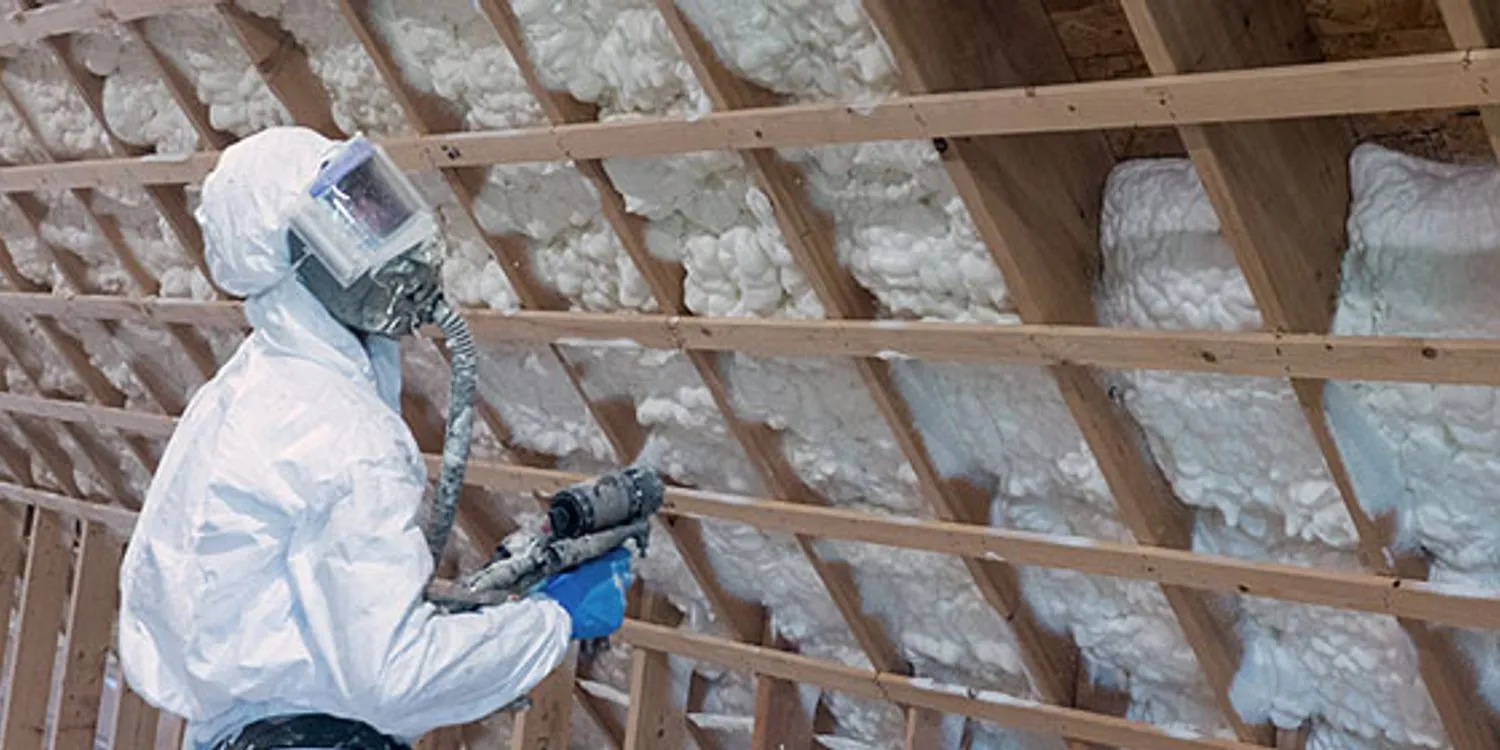
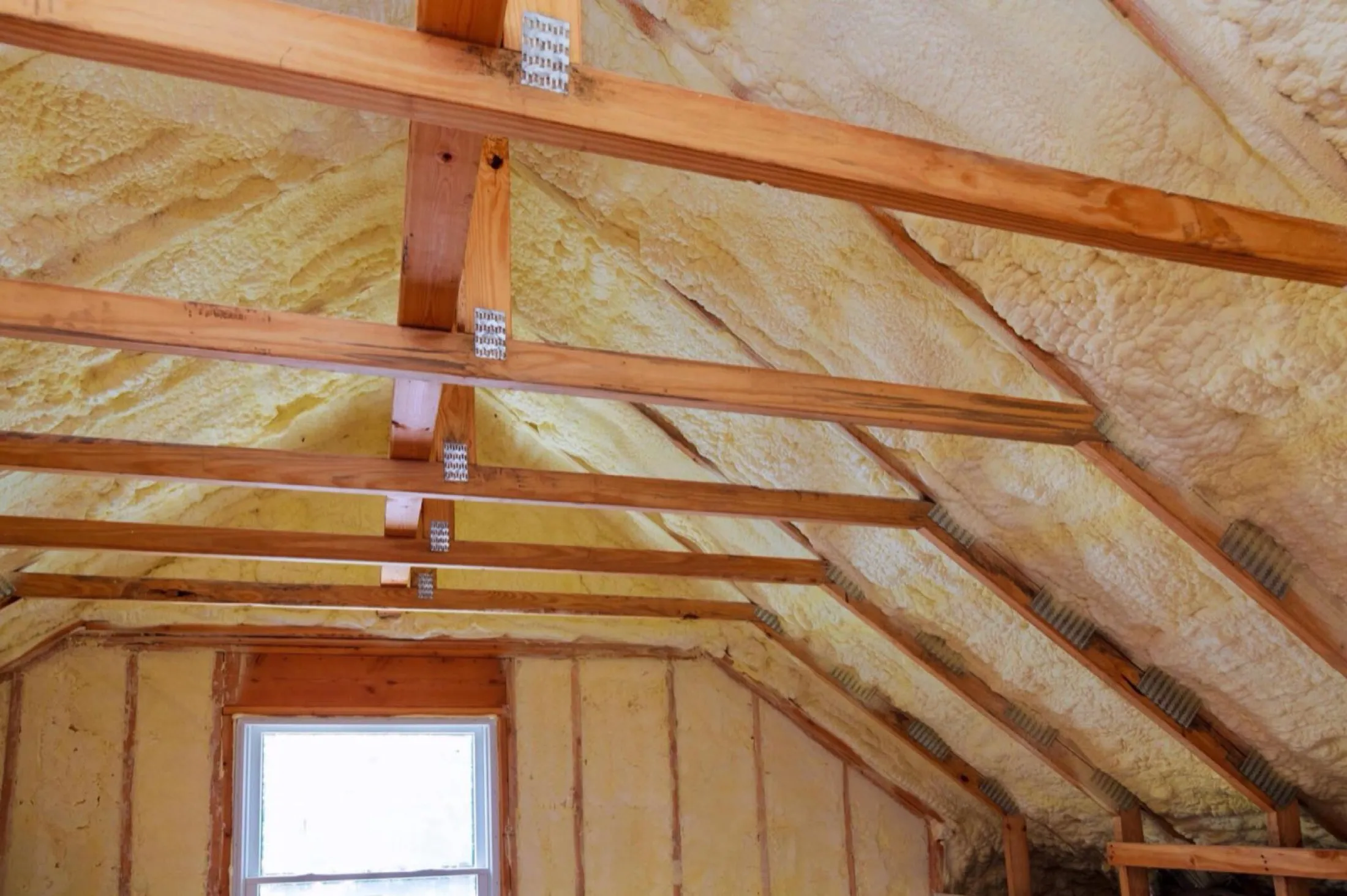
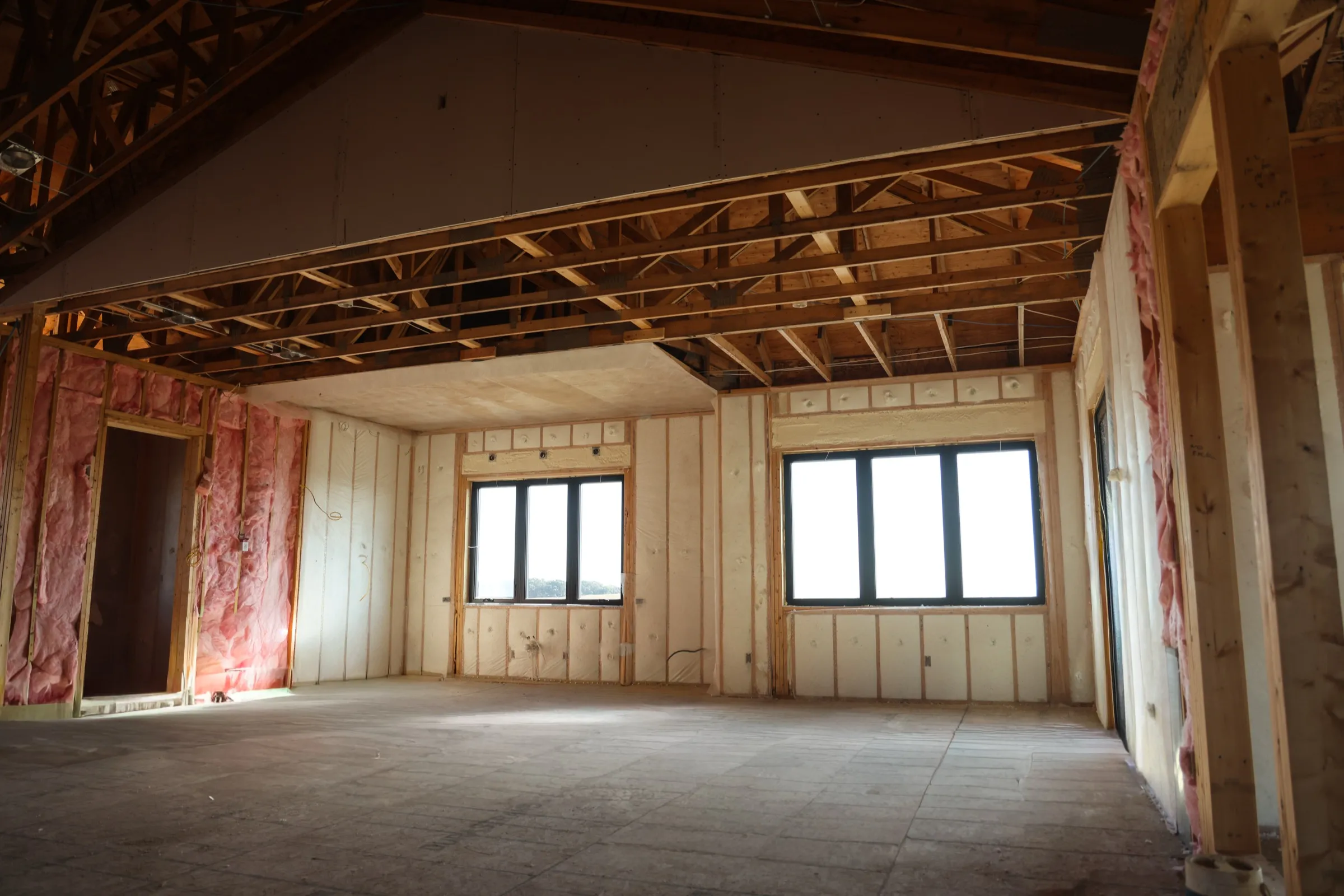
Spray foam is our specialty, and Mesa homes give it plenty of work. Open cell foam on the attic roof deck moves the thermal boundary to the roofline and brings the ductwork into conditioned space. In older Mesa homes where the AC air handler and ducts sit in a 140 degree attic, this single change can transform system performance.
Closed cell foam is the denser, higher R-value per inch option, and it earns its keep in tight assemblies: rim joists, block wall furring cavities, and low-clearance areas where you need maximum performance in minimum depth.
Foam costs more than blown-in, and we will never pretend otherwise. For many Mesa homeowners the right answer is removal, air sealing, and blown-in at half the price. For others, especially homes with failing AC systems or plans to stay long term, foam pencils out. Call (480) 573-6554 and we will show you the comparison for your specific attic.
Radiant Barriers for East Mesa Heat
East Mesa gets the full force of the desert sun, and many homes here have large roof expanses with minimal shade. A radiant barrier installed along the underside of the roof rafters reflects radiant heat back out before it can load up your attic, lowering attic temperatures and reducing the work your insulation and ductwork have to do.
We install radiant barriers most often as a companion to blown-in insulation in Mesa's older ranch homes. The barrier handles the radiant load, the blown-in handles the conductive load, and the air sealing we do during the project handles the leaks. Together the three cover every path heat takes into your living space.
One caution we give every customer: a radiant barrier alone is not an insulation strategy. Anyone selling it that way is selling you short.
Insulation for Manufactured and Mobile Homes in Mesa
Mesa has one of the largest concentrations of manufactured homes and mobile home communities in the Valley, and these homes have insulation needs that most contractors ignore. Factory-installed insulation in older manufactured homes is often minimal, and decades of heat leave it in rough shape.
The two highest impact areas are the roof cavity and the underbelly. Blow-in insulation into accessible roof cavities cuts the heat pouring through the ceiling, and repairing or replacing underbelly insulation protects both comfort and the plumbing that runs beneath the home. Skirting condition matters too, since an intact, sealed underbelly performs far better.
We work in manufactured home communities across Mesa and the East Valley, and we are upfront about what is feasible in each home's construction. Call (480) 573-6554 and we will take a look and tell you what will actually help.
Typical Insulation Costs in Mesa
Treat the following as typical market ranges, not quotes. Blown-in attic insulation for a typical Mesa ranch home usually runs $1,500 to $3,000 depending on square footage and depth. Insulation removal typically adds $1 to $2 per square foot depending on volume and condition.
Spray foam roof deck applications typically range from $3,000 to $7,000 for Mesa single-family homes depending on attic size and foam type. Batt installation typically runs $1 to $2 per square foot installed. A radiant barrier install usually prices out near $1 to $1.50 for each square foot of roof. Manufactured home projects vary widely with construction type and access, so those get quoted individually after inspection.
Every job starts with a free evaluation and a written number. No obligation, no pressure. Call (480) 573-6554 to schedule yours.
East Mesa Evap-to-AC Conversions and the Undersized Insulation They Left Behind
A large share of East Mesa homes built in the 1960s, 70s, and early 80s started life with evaporative cooling and were converted to refrigerated air later. That conversion changed how the house performs in ways most owners never connect to their insulation. An evaporative cooler constantly pushes outdoor air through the house and out through open windows, so attic heat and thin insulation mattered less. Once the home was sealed up and put on refrigerated air, the original insulation levels, often just a few inches of old fiberglass or rock wool, became the weak link.
These converted homes also tend to have return and supply layouts designed around the old system, with ducts added or rerouted during conversion and sometimes run through attic space with minimal insulation on the duct itself. The result is a house that technically has central air but never feels quite cooled, with rooms far from the unit lagging behind.
If your East Mesa home was converted from evap to AC at some point in its history, it is worth having the attic evaluated as a system. Bringing the insulation to current recommended levels for our climate, sealing the ceiling plane, and checking the duct runs that were added during conversion usually transforms how these homes hold temperature. Call (480) 573-6554 and we will inspect the whole picture, not just the insulation depth.
Insulating Mesa's Manufactured and Older Block Homes
Mesa has a wide mix of housing, and two of the most common types we work on are manufactured homes and older concrete block homes. Each has its own insulation reality. Manufactured homes typically have a shallow roof cavity with limited room to add insulation from above, and bellies that may have ductwork and plumbing exposed to outdoor temperatures. The highest impact upgrades are usually blowing insulation into the roof cavity where access allows and sealing the duct connections in the belly, which are notorious for leaks that dump conditioned air under the home.
Older block construction, common in Mesa neighborhoods built before the mid-1980s, has a different challenge: the block walls themselves are nearly impossible to insulate from the inside without major work, and many were built with uninsulated or minimally insulated flat or low-slope roofs. For these homes, the roof assembly is where the money goes. Spray foam applied to the underside of the roof deck can dramatically cut the heat gain through the largest surface in the house, and it does it without touching the exterior, which matters on homes where re-roofing is not in the budget.
Neither of these home types is a lost cause. They just need an approach matched to their construction instead of a generic attic top-off.
Where Radiant Barriers Fit in Mesa's Long Cooling Season
Mesa's cooling season runs hard from May into October, and that long stretch of radiant heat from the roof deck is exactly the condition radiant barriers are designed for. A radiant barrier is a reflective surface, usually a foil layer, installed under the roof rafters or draped over attic floor insulation. It does not resist conductive heat the way insulation does. Instead, it reflects radiant heat back toward the roof before it can soak into the attic space and your ceiling.
In our climate, a properly installed radiant barrier can cut attic temperatures noticeably on peak summer days, which reduces the load on both your insulation and your ductwork. But there are two things to understand before spending money on one. First, a radiant barrier is a supplement, not a substitute. If your attic insulation is at R-11, the answer is more insulation first, then consider a barrier. Second, installation quality controls performance. The foil needs an air gap on at least one side to work, and dust accumulation on upward-facing surfaces degrades reflectivity over time, which is why we generally favor foil stapled to the underside of rafters over foil laid on the attic floor.
For Mesa homes with good insulation already in place and ducts running through the attic, a radiant barrier is often the next logical upgrade because it lowers the temperature those ducts are sitting in. It is a one-time install with no moving parts, and in a cooling season as long as ours, the hours of benefit add up fast.
Frequently Asked Questions
Q: Should old insulation be removed before adding new insulation?
A: If it is contaminated, damaged, or flattened to the point of uselessness, yes. Capping over rodent-damaged or water-damaged material seals the problem into your attic. If the existing insulation is clean and dry, we can often blow new material over it and save you the removal cost. The inspection tells us which situation you have.
Q: Can you insulate a manufactured home in Mesa?
A: Yes. Roof cavity blow-in and underbelly insulation are the two highest impact projects, and we work in manufactured home communities across Mesa regularly. Feasibility depends on the home's construction and access, so we inspect first and quote only work that will actually perform.
Q: What causes hot rooms in older Mesa homes?
A: Usually a combination of thin attic insulation over that part of the house, air leaks around recessed lights and duct chases, and sun exposure on that side of the roof. Arizona rooms and garage conversions with no real insulation are the worst offenders. A proper attic evaluation pinpoints the cause instead of guessing.
Q: How long does insulation last in Arizona?
A: Blown-in fiberglass and cellulose hold up for decades if they stay dry and undisturbed, though settling reduces effective depth over time. Fiberglass batts in extreme attic heat tend to degrade faster here than in milder climates. Spray foam is the most durable option and typically lasts the life of the structure.
Q: Do radiant barriers really work in Mesa?
A: Yes, when installed correctly and paired with adequate insulation. A radiant barrier reflects heat at the roofline before it enters the attic, which lowers attic temperatures and reduces load on everything below. It is a strong complement to insulation, never a replacement for it.
Q: Can insulation help with dust and allergies?
A: Indirectly, yes. Air sealing the ceiling plane during an insulation project closes the gaps that pull dusty attic air into your living space every time the house pressure changes. Removing contaminated old insulation gets a major allergen source out of the home entirely.
Q: Do you serve areas outside Mesa?
A: Yes. We serve the entire East Valley including Tempe, Chandler, and Gilbert, plus Ahwatukee. Same crew, same process, same free evaluation. Call (480) 573-6554 regardless of which city you are in.
Insulation Services Available in Mesa
Need Spray Foam in Mesa?
Talk with our team about your home, building or upcoming project.
Common Questions
Do you provide insulation services in Mesa?
Yes. Tempe Spray Foam Insulation provides residential and commercial insulation in Mesa, including spray foam insulation, blow-in insulation, batt insulation, radiant barriers, insulation removal, with free written estimates.
What type of insulation is best for Mesa homes?
It depends on the building. Attics, walls, garages and additions each hold and lose heat differently, so we assess the space during a free estimate and recommend the material that fits rather than defaulting to one method.
How do I get a free insulation estimate in Mesa?
Call us and we will schedule an on-site assessment of your Mesa property, then give you a written scope and price before any work begins.