
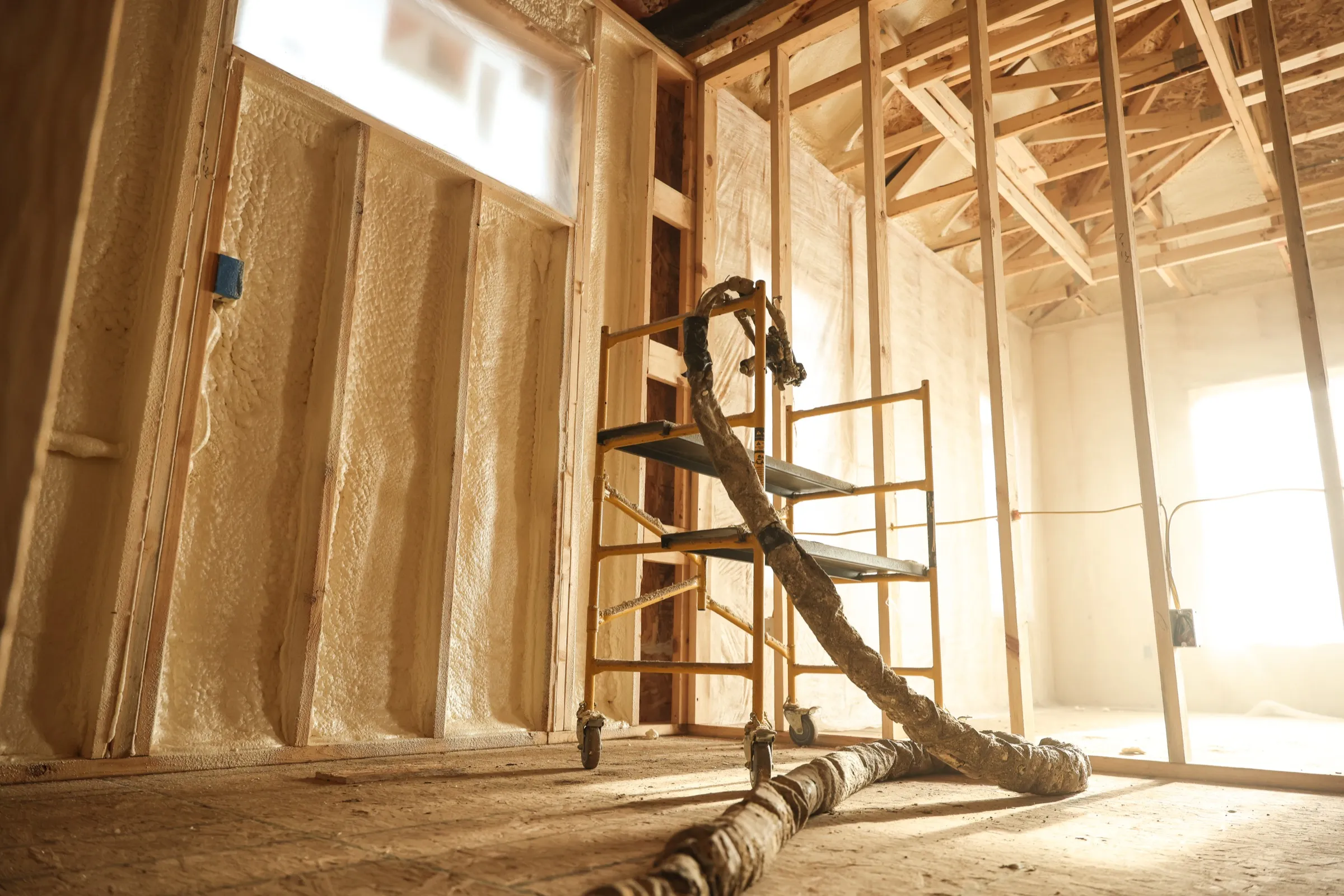
Spray Foam Insulation in Arizona
Closed-cell and open-cell spray foam for attics, walls, and crawl spaces.
Spray Foam Insulation in Tempe, AZ
Spray polyurethane foam is the most aggressive insulation upgrade available for Tempe homes, and in the Phoenix metro it solves problems that fiber insulation simply cannot. When attic temperatures run 150 degrees or hotter for months at a time, the difference between an insulated building and a sealed building is the difference between an AC system that fights all afternoon and one that holds setpoint without strain. Tempe Spray Foam Insulation installs both open cell and closed cell foam across Tempe, Chandler, Mesa, Gilbert, and Ahwatukee, and we specify the right product for the assembly instead of pushing one chemistry on every job.
If your home was built between the early 1960s and late 1980s, there is a good chance the original insulation has slumped, shifted, or was thin to begin with. Foam lets us rebuild the thermal boundary of the house from the roof deck down instead of just adding more material on top of a leaky ceiling plane. Call (480) 573-6554 and we will walk the attic, look at your roofline, and tell you honestly whether foam is the right spend or whether a simpler approach gets you most of the benefit.
Open Cell vs Closed Cell: The Core Decision
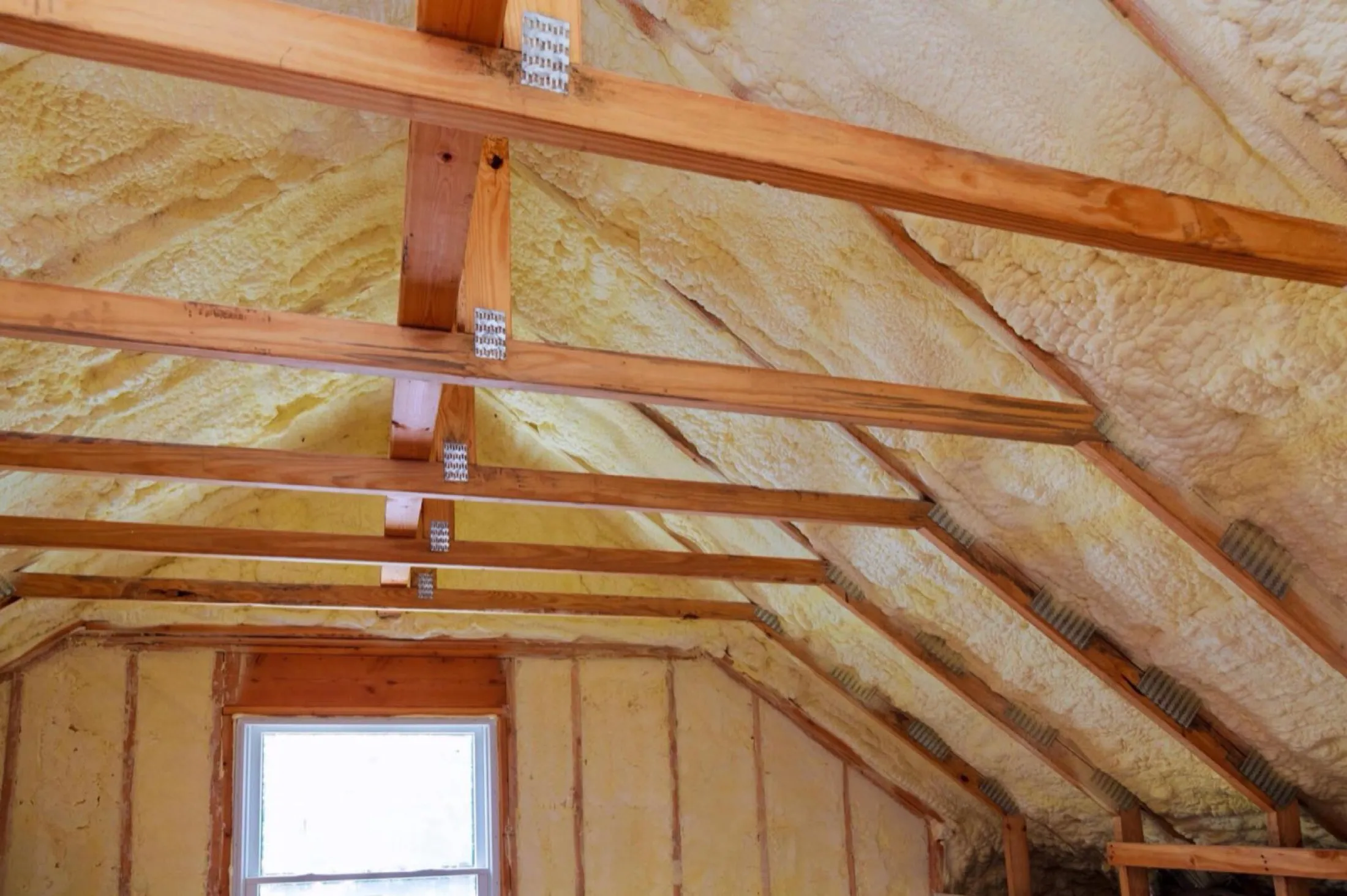
Open cell foam expands aggressively, roughly 100 to 1, and cures into a soft, spongy material at about half a pound per cubic foot. It delivers approximately R-3.5 to R-3.7 per inch, is vapor permeable, and is excellent at air sealing because the expansion fills odd cavities, wiring penetrations, and irregular rafter bays completely. It is also the more affordable of the two chemistries per square foot of coverage.
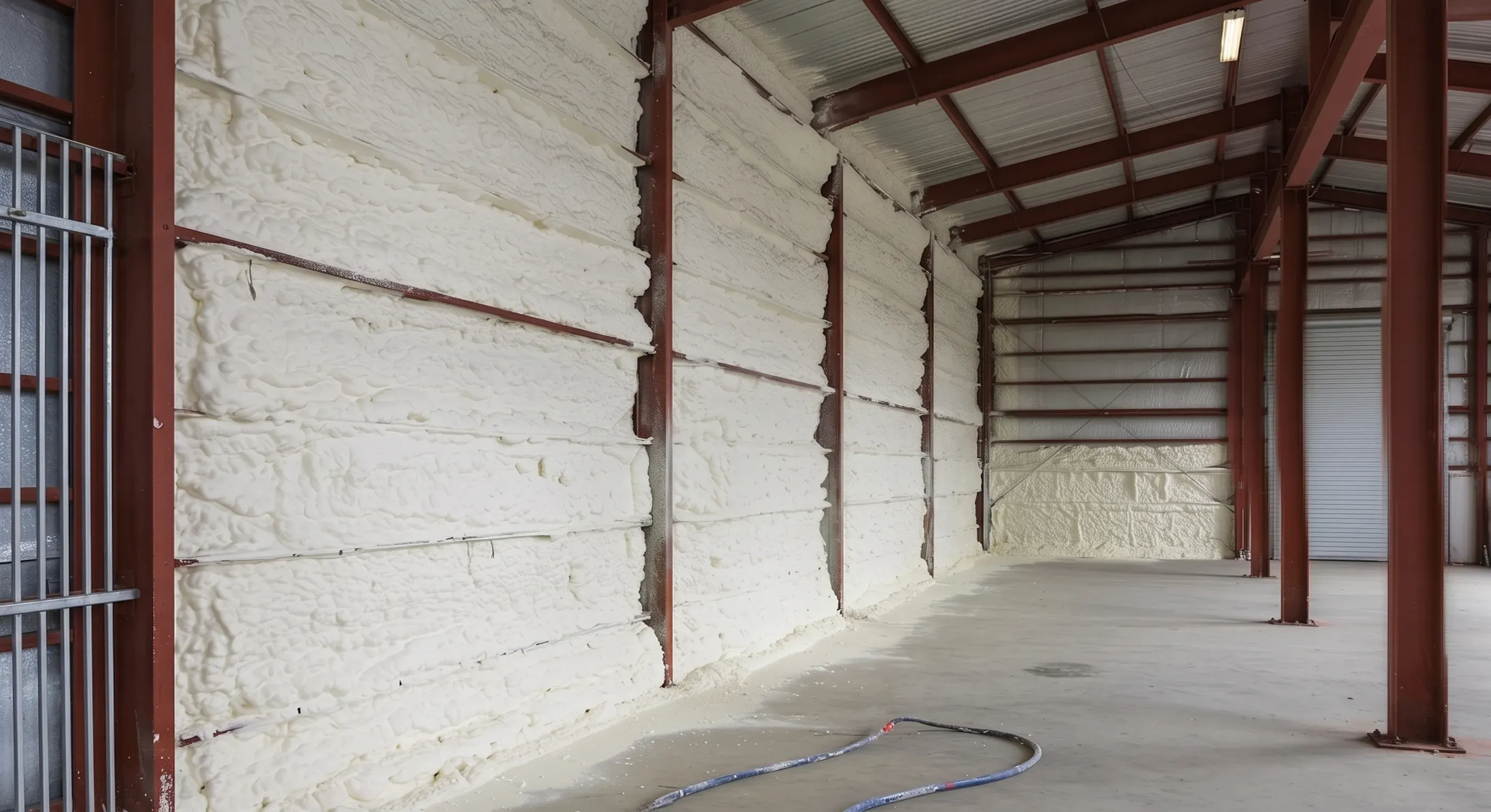
Closed cell foam cures dense and rigid at about two pounds per cubic foot, delivers roughly R-6.5 to R-7 per inch, and acts as a vapor retarder once you reach about two inches of thickness. It adds measurable racking strength to roof decks and wall assemblies, resists water, and gives you more R-value in less depth. That density costs more per board foot, so the decision is never just about which foam is better. It is about where the assembly needs strength, moisture resistance, or high R in a shallow cavity.
R-Value Per Inch and What It Means in Climate Zone 2B
Tempe sits in IECC climate zone 2B, the hot-dry zone. Current energy code for this zone calls for R-38 in ceilings and roughly R-13 to R-15 in framed walls on new construction, and while existing homes are not legally required to meet that, those numbers are a solid performance target. Hitting R-38 with open cell foam means spraying about 10 to 11 inches. Hitting it with closed cell takes about 5.5 to 6 inches.
In practice, many Tempe attic retrofits do not aim for full R-38 at the roofline. A common spec is 5 to 6 inches of open cell against the underside of the roof deck, which delivers around R-19 to R-22 but converts the attic into a semi-conditioned space. Because foam also stops air movement, real-world performance often beats the raw R-value math, especially when the ductwork and air handler live in that attic.
Vapor Permeability in a Hot, Dry Climate
Vapor drive in the Phoenix metro runs the opposite direction from cold climates for most of the year. In a Minnesota winter, interior moisture pushes outward into cold walls. In a Tempe summer, hot humid monsoon air pushes inward toward your 75-degree conditioned space. That reversal changes which products belong where.
Open cell foam is vapor permeable at roughly 10 perms or more at typical thicknesses, which means it lets assemblies dry in either direction. That is usually an advantage on roof decks here, because any incidental moisture can migrate rather than trap against the sheathing. Closed cell at two inches or more is a Class II vapor retarder, which makes it the right call where you want to block moisture drive outright, such as against block walls, below-grade transitions, or flat roof assemblies where trapped water is a real risk. During monsoon season, when outdoor dew points spike into the 60s, the air sealing both products provide matters as much as the vapor profile, because humid air leaking through the ceiling plane is a bigger moisture source than diffusion through materials.
Spray Foam on Flat and Low-Slope Roofs
Tempe has thousands of homes with flat or low-slope sections: ranch homes with low-pitch carport conversions, mid-century builds with parapet roofs, and additions that were framed with minimal slope. These roofs are the hardest assemblies in the Valley to insulate well with fiber products because there is no ventilated attic space and often no cavity depth worth blowing into.
Closed cell foam is the standard answer. Sprayed against the underside of the deck, it insulates and air seals in one pass and is not damaged by the small roof leaks that would ruin batts or cellulose before you ever noticed them. In some cases foam is also applied above the deck as spray polyurethane foam roofing with an elastomeric coating, which moves the entire thermal boundary outside the structure. If your home has a flat section that bakes the room below it every summer, call (480) 573-6554 and we will tell you which approach fits the roof you actually have.
Attics, Walls, and Rim Areas in Older Tempe Homes
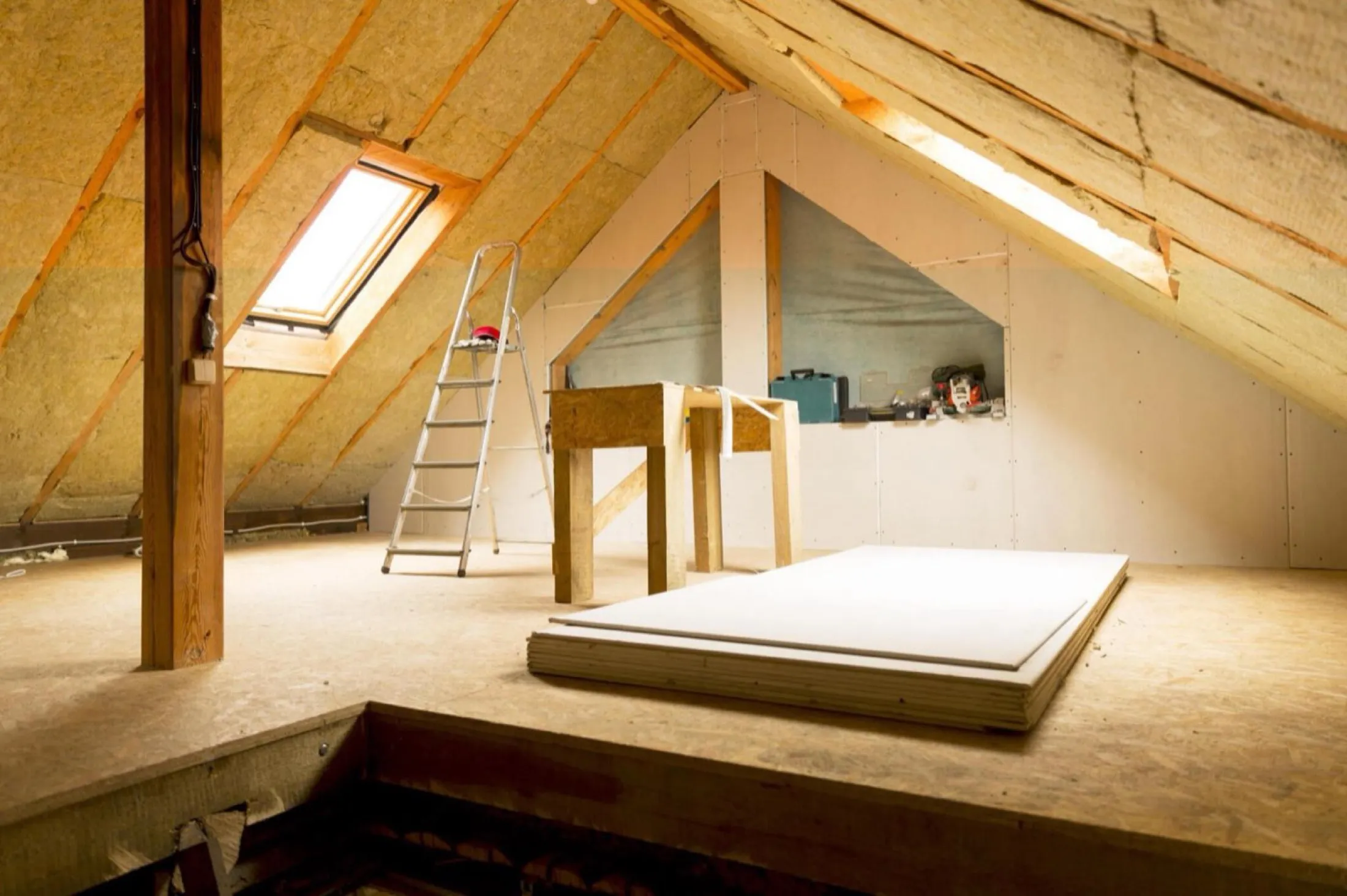
The most common foam job we do is the roof deck of a vented attic, converting it to an unvented conditioned attic. The existing ceiling insulation can often stay in place or be removed depending on condition, and the attic immediately drops from 150-degree peak temperatures to within 10 to 15 degrees of the living space. Ducts that were bleeding 20 to 30 percent of conditioned air into a superheated attic now run in a mild environment, which is where much of the real energy savings comes from.
For walls, foam is more selective. Tempe ranch homes from the 1960s through 1980s often have block construction or 2x4 framed walls with minimal existing insulation. Closed cell excels against block and in shallow cavities because of its R-value per inch. We also foam band joists, can light surrounds, chases, and other leakage points during attic work, because those details are where a huge share of infiltration actually happens.
Evap Cooler Conversions and Foam
Plenty of older Tempe homes ran evaporative coolers for decades, and a large number were converted to refrigerated AC in the 1990s and 2000s. Those conversions often left a mess above the ceiling: cooler ducts capped or abandoned, grille openings patched loosely, and attic insulation disturbed and never corrected. Swamp coolers also pushed humid air through the house for years, which can leave insulation matted and dusty.
When we convert an attic to foam, we address those leftovers at the same time. Old duct chases get sealed, penetrations get foamed shut, and the thermal boundary becomes continuous for the first time in the life of the house. If your AC came after the house was built, the attic was probably never detailed for it, and foam is the cleanest way to fix that in one project.
What Spray Foam Typically Costs
Foam is a premium product and we will not pretend otherwise. In the Phoenix metro, open cell foam typically runs somewhere in the range of $1.00 to $1.75 per board foot installed, and closed cell typically runs $1.75 to $3.00 per board foot, depending on access, prep, and job size. A typical Tempe attic roofline project lands in the low-to-mid four figures, sometimes more for large or complicated rooflines. Those are typical market ranges, not a quote, and the only honest number is the one after we measure your attic.
The payback case is strongest when ducts and the air handler are in the attic, when the home has a flat or low-slope section, or when the existing ceiling insulation is contaminated and needs removal anyway. In those scenarios foam often beats the combination of removal, air sealing, and re-insulating at the ceiling plane on both cost and performance.
What to Expect on Install Day
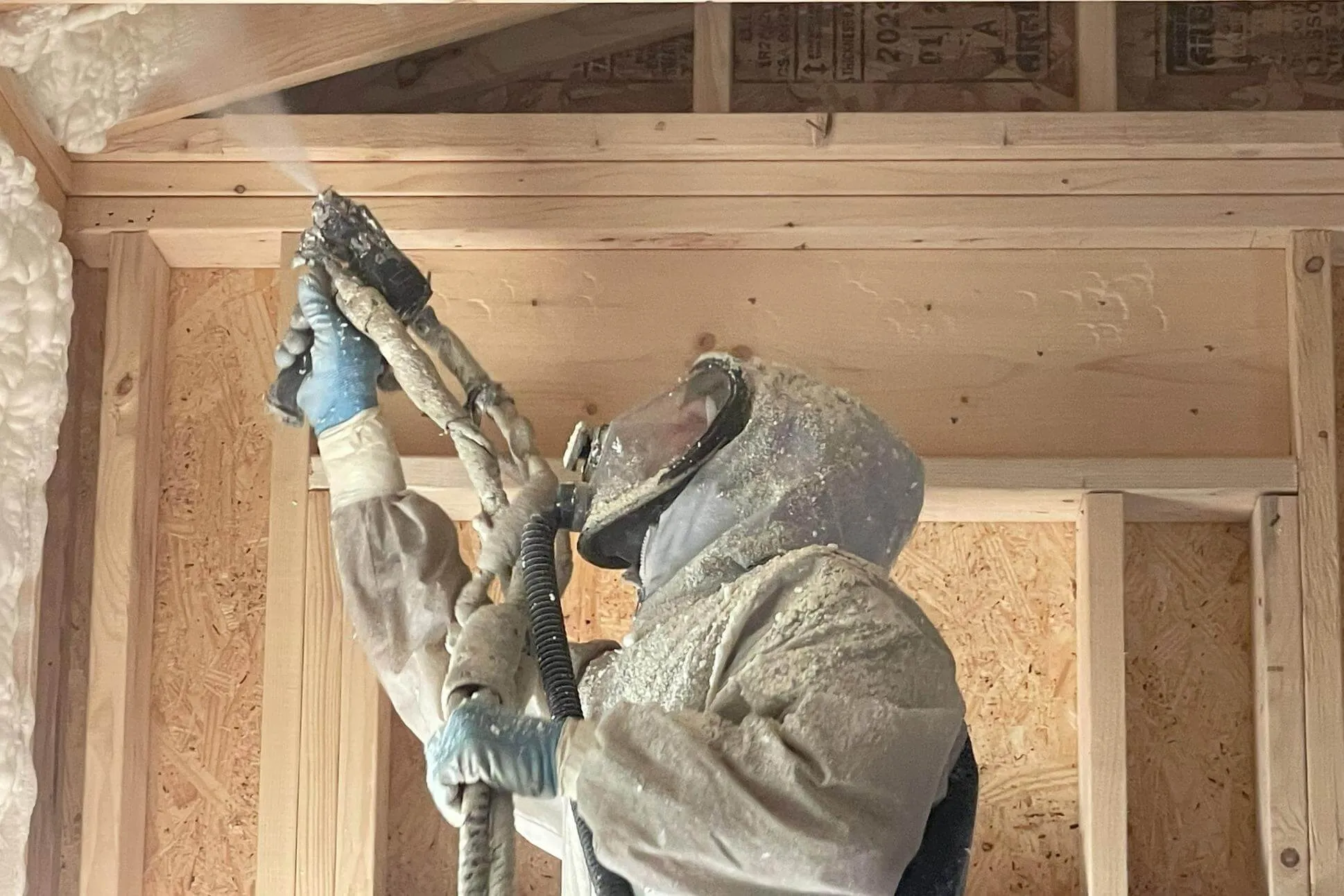
A foam crew arrives with a truck-mounted rig, masks and protects windows, floors, and fixtures near the work area, and sprays in lifts until the specified thickness is reached. Occupants and pets stay out of the home during spraying and for a re-entry window afterward, typically 12 to 24 hours depending on the product and ventilation, while the foam fully cures and off-gassing clears.
Cured foam is inert and stable. Before we leave we confirm depth with probes, confirm coverage at eaves and penetrations, and walk the job with you. You will notice the difference the first hot afternoon: the upstairs or single-story ceiling stops radiating, the AC cycles like a normal system, and rooms that never cooled evenly start holding temperature.
Get a Straight Answer on Your Project
Every attic is different, and foam is not the right answer for every one of them. We serve Tempe, Chandler, Mesa, Gilbert, and Ahwatukee, and we will tell you if blow-in or a radiant barrier gets you 80 percent of the result for half the money. Call Tempe Spray Foam Insulation at (480) 573-6554 to schedule an attic inspection and a written quote with no pressure attached.
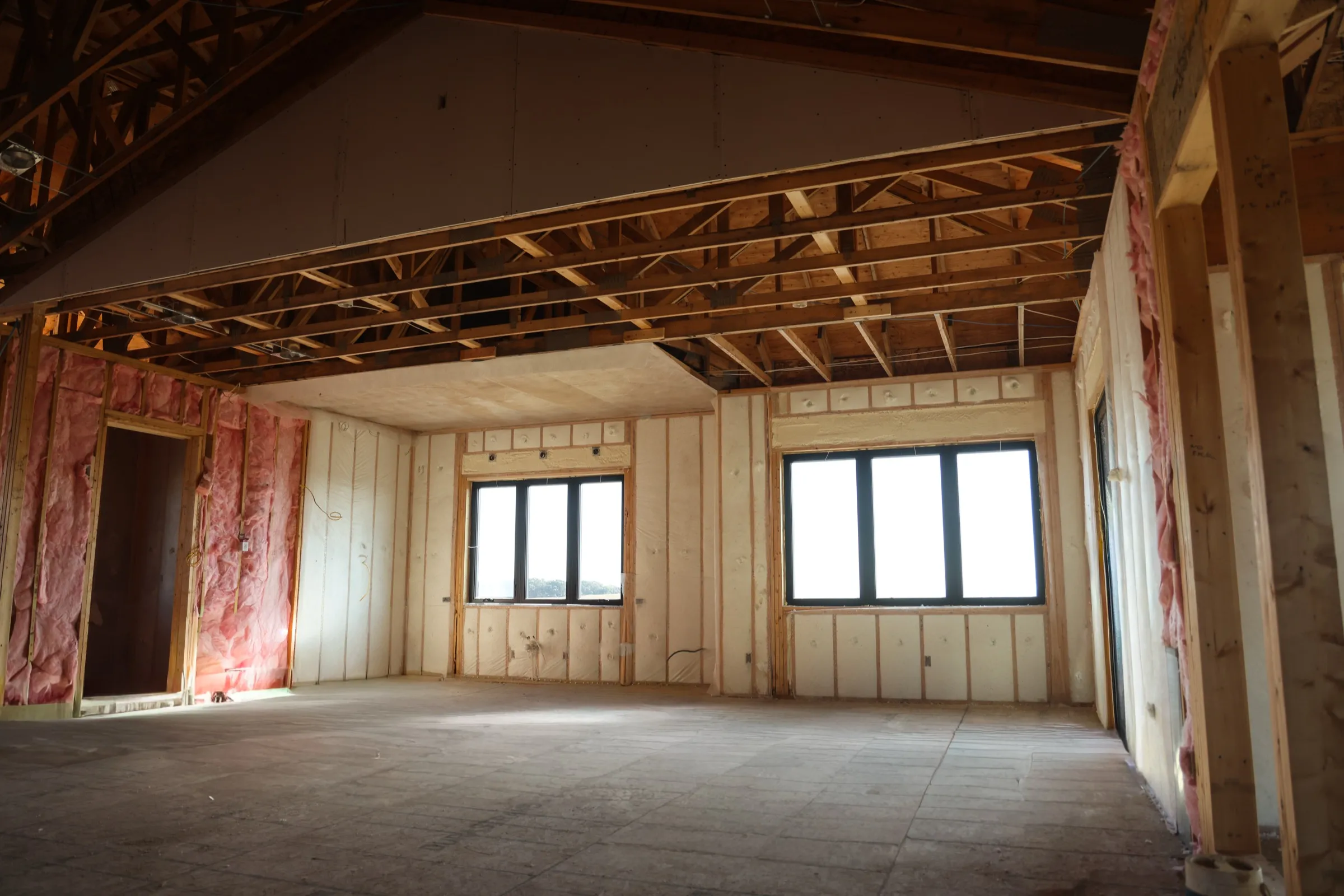
Real Arizona Projects
Other Insulation Services
Common Questions
Is spray foam insulation a good fit for Tempe-area buildings?
Yes. Spray Foam Insulation works well for many Tempe-area homes and commercial buildings, but the right choice depends on the space, the assembly and how it is used. During a free estimate we confirm whether spray foam insulation or another option fits your building.
How much does spray foam insulation cost?
Cost depends on the area being treated, the material and thickness, access and prep. Estimates are free and given in writing, so you know the price before any work begins.
How long does a spray foam insulation project take?
Most projects are completed quickly once scheduled. Your written estimate includes the expected timeline for your specific Tempe-area project.
Want to Know What Your Project Would Cost?
Tell us about the property and we'll help you determine the next step.
Free Written Estimates • No Obligation • Local Arizona Team