
Spray Foam Insulation in Gilbert, AZ
Professional spray foam insulation for Gilbert homes, garages, additions, metal buildings and commercial properties.
Insulation Services in Gilbert, AZ
Gilbert grew fast, and it grew recently. Most of the housing stock here went up between the mid-1990s and the 2010s, which leads a lot of homeowners to assume their insulation is fine. Newer does not mean efficient. Builder-grade materials, rushed attic work, and Arizona summers that punish every weak spot add up to homes that leak cooled air year-round. Tempe Spray Foam Insulation works throughout Gilbert and the surrounding East Valley, and we see the same pattern in house after house: a home that looks tight on paper but performs like something thirty years older.
We are a service-area insulation contractor based in the Tempe area, covering Gilbert, Chandler, Mesa, and Ahwatukee. We install spray foam, blow-in, batt insulation, and radiant barriers, and we handle insulation removal when the old material has to go. If your Gilbert home has rooms that never cool down, summer electric bills that keep climbing, or an air conditioner that runs from May through October without a break, the problem usually starts overhead. Call (480) 573-6554 to schedule an attic evaluation.
Why Newer Gilbert Homes Still Underperform
Production builders in the 1990s and 2000s insulated to meet code minimums, not to maximize comfort. The most common approach was loose blow-in fiberglass spread across the attic floor to a nominal depth, then forgotten. That material settles. A blown-in layer installed at twelve inches can sit at eight or nine inches after fifteen years of heat cycles, foot traffic from cable installers, and vibration from the home itself. Every inch of settlement cuts the effective R-value, and in a Gilbert attic that regularly exceeds 140 degrees in July, that loss shows up directly on your SRP bill.
The second culprit is duct leakage. Many Gilbert homes from this era have flexible ductwork running through the attic with joints that were sealed with nothing more than friction and time. Cooled air you already paid for escapes into the attic, and hot attic air gets pulled back into the system. Pair that with recessed lighting penetrations, unsealed top plates, and attic hatches with no weatherstripping, and the thermal envelope of a 2005 home can perform worse than the envelope of a well-maintained 1985 home. Age is not the variable. Execution is.
There is also the issue of cathedral ceilings and bonus rooms, which Gilbert floor plans loved in the 2000s. Those spaces often have shallow rafter cavities stuffed with batts that leave air gaps at every edge. Hot spots above the master bedroom or the room over the garage almost always trace back to those gaps. None of these problems are exotic. They are standard features of fast-built housing, and they are all fixable.
Signs Your Gilbert Home Needs New Insulation
The most obvious sign is a room or two that runs five to ten degrees warmer than the rest of the house in summer. In Gilbert that is usually the west-facing bedroom, the room above the garage, or the upstairs bonus room. Homeowners often chase this with bigger AC equipment or zoning systems, but if the insulation and air sealing above those rooms are deficient, mechanical fixes only mask the symptom.
Other signs include dust that returns days after cleaning, which points to attic air being pulled into the living space, AC cycles that run long even at moderate thermostat settings, and summer electric bills that surprise you even though you have lived in the house for years. If your home was built before roughly 2012 and the attic has never been touched, the odds are strong that the insulation is settled, thin, or uneven. A quick look in the attic usually confirms it: if you can see the tops of the ceiling joists, you do not have enough material up there.
Call (480) 573-6554 and we will come take a look. An honest evaluation tells you whether you need a full replacement, a top-off of blown-in material, air sealing work, or nothing at all.
Attic Blow-In and Batt Insulation for Gilbert Homes
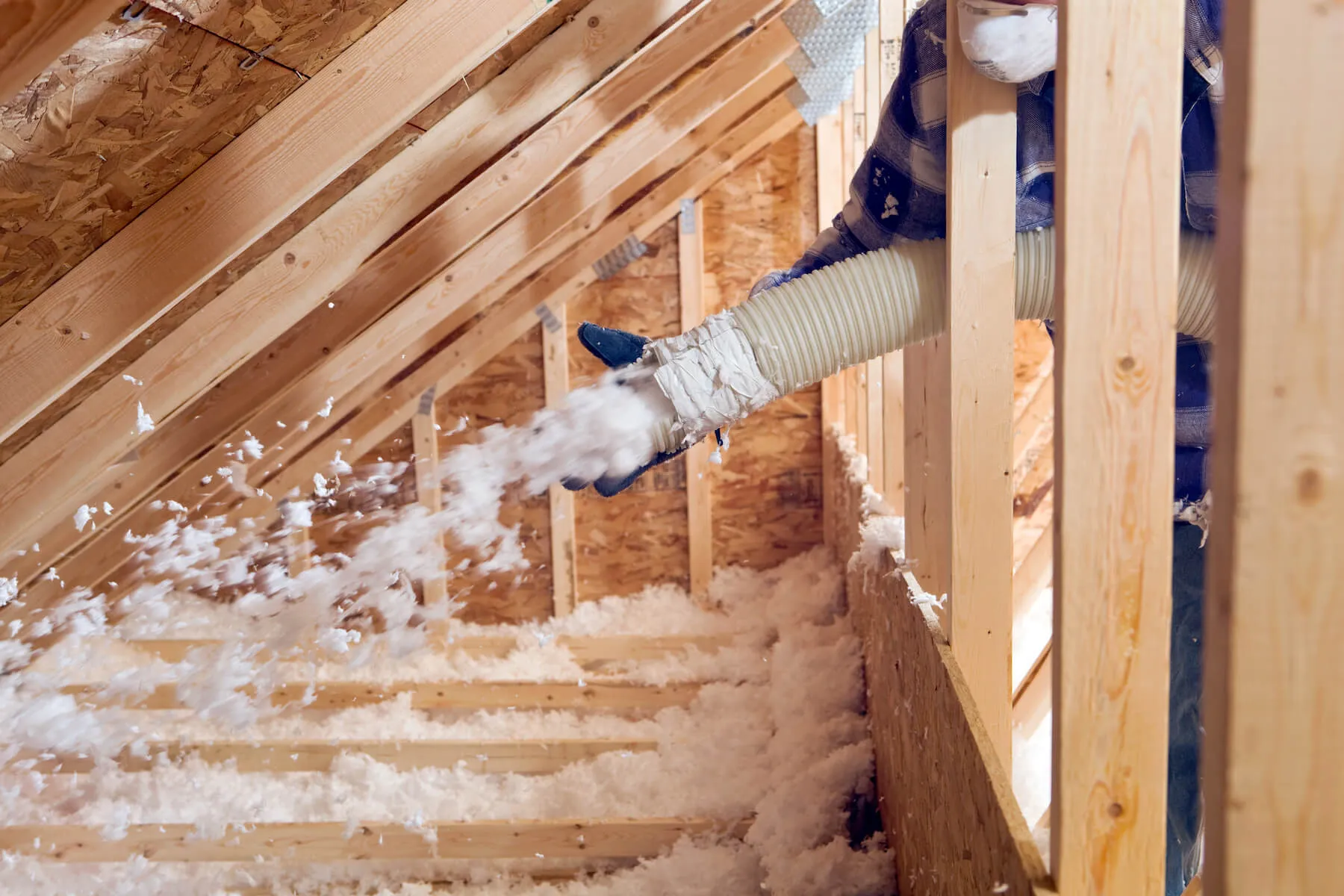
For most Gilbert attics with decent access and standard joist framing, blown-in insulation is the workhorse solution. We remove or level the settled material as needed, air seal the attic floor first, then blow fiberglass or cellulose to a depth that meets current recommendations for our climate zone, typically in the R-38 to R-49 range. The air sealing step matters more than the material itself. Sealing top plates, wire and plumbing penetrations, and the gaps around recessed lights before blowing new insulation is what separates a real job from a cosmetic one.
Batt insulation still has its place in Gilbert, mainly in garages, bonus room knee walls, and new construction or remodel framing where the cavities are open and accessible. Properly fitted batts with no compression and no gaps perform as rated. The problem is that batts are rarely fitted properly on production builds. When we install batts, we cut around wiring and blocking rather than stuffing the material behind them, and we make sure the facing orientation matches the application.
Many Gilbert homeowners also ask about topping off existing blow-in rather than replacing it. If the existing material is dry, clean, and free of rodent damage, a top-off is a legitimate, cost-effective option. If it is contaminated or matted, removal first is the right call, and we will tell you which situation you have.
Spray Foam and Radiant Barriers in the Gilbert Heat
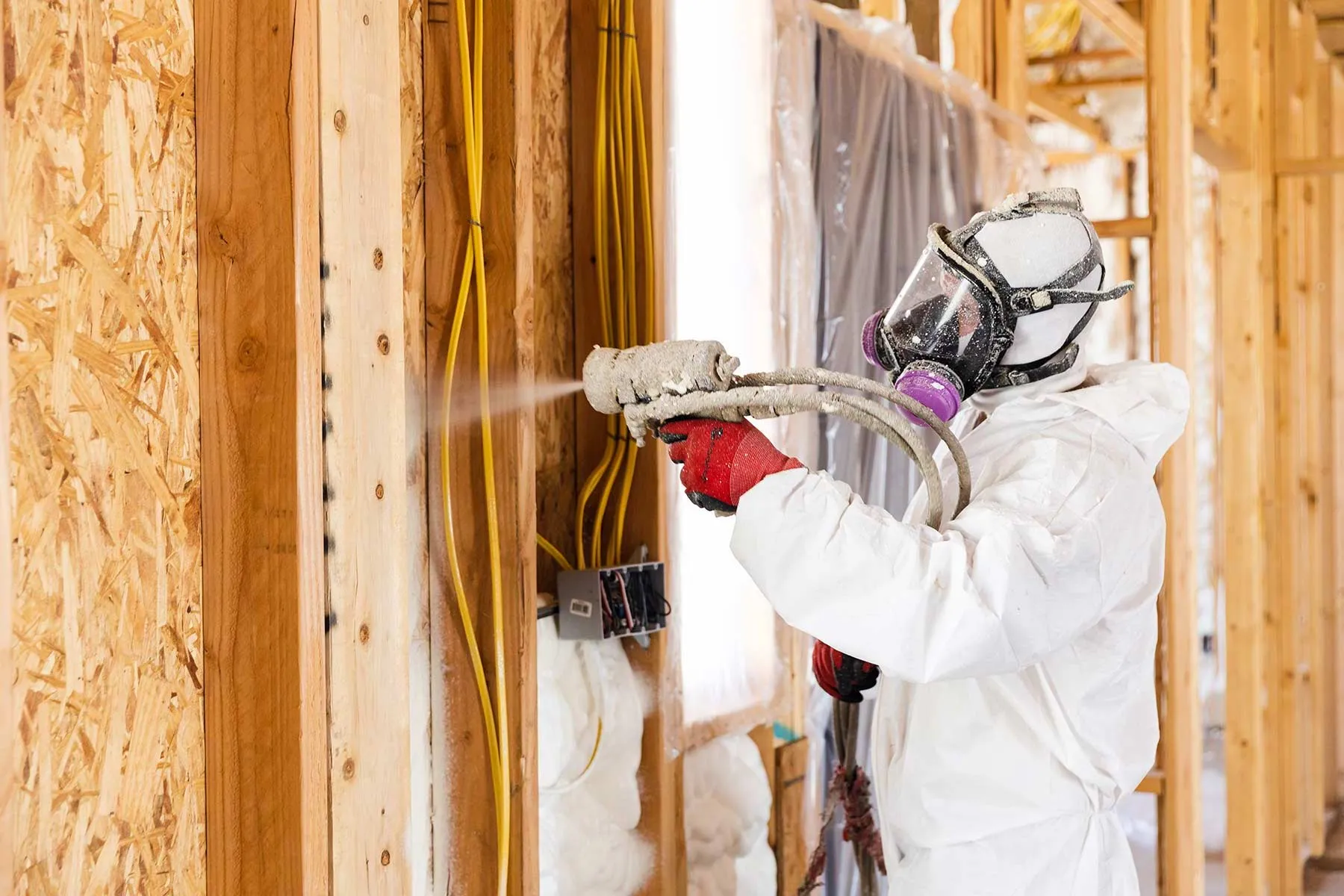
Spray foam solves problems that loose-fill insulation cannot. Open-cell spray foam applied to the underside of the roof deck turns a vented, superheated attic into a semi-conditioned space, which is a major quality-of-life upgrade for any Gilbert home with ductwork or HVAC equipment in the attic. Instead of your air handler pushing 55-degree air through a 145-degree attic, it operates in a space that stays far closer to indoor temperatures. That single change can transform how an upstairs floor feels in August.
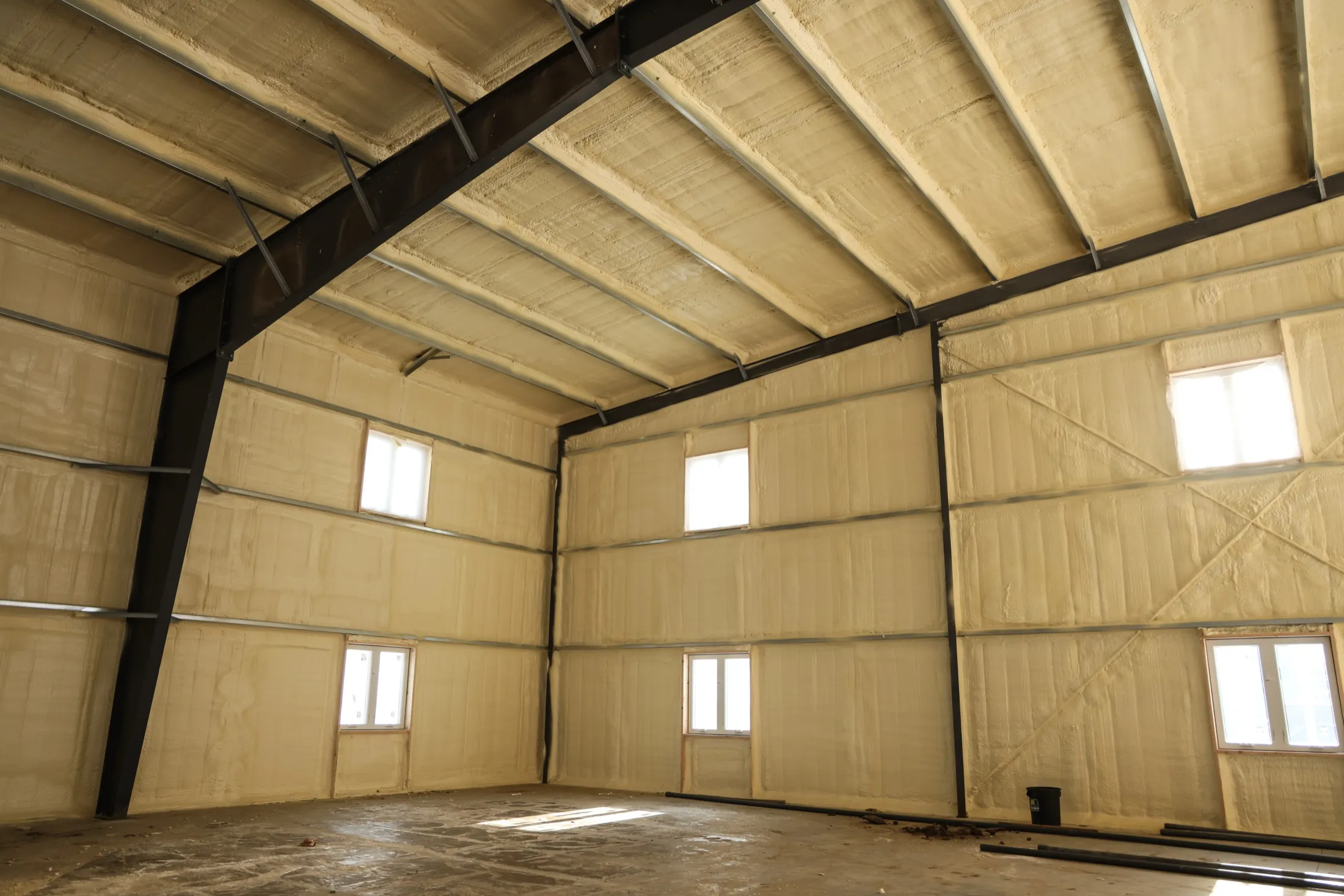
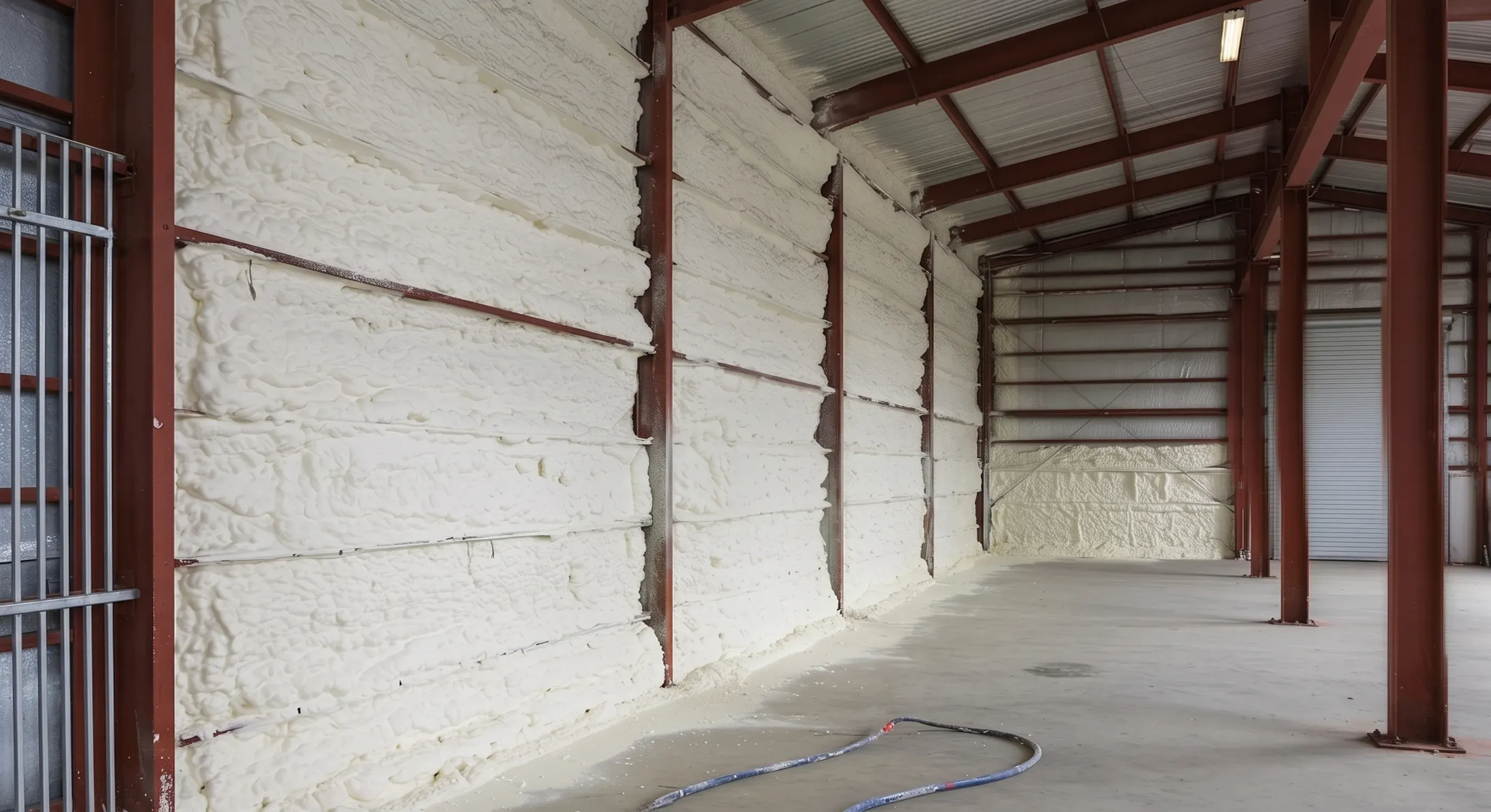
Closed-cell foam is the choice where higher R-value per inch or added rigidity matters, such as in shallow rafter bays over cathedral ceilings or on block walls in garage conversions. It costs more than open-cell, and we will walk you through where each type makes sense rather than defaulting to the pricier option everywhere.
Radiant barriers are the third tool. A radiant barrier stapled to the underside of the rafters reflects heat back out before it can radiate down onto the insulation layer. In Gilbert, where roof surfaces cook under direct sun for months, radiant barriers pair well with blown-in attic floors as a budget-friendly upgrade. They are not a substitute for adequate insulation depth, but they reduce the load the insulation has to fight. Combined with air sealing, a radiant barrier plus proper blow-in depth is one of the best value upgrades for the tract homes that make up most of Gilbert. To talk through which combination fits your home, call (480) 573-6554.
Insulation Removal and What to Expect From the Process
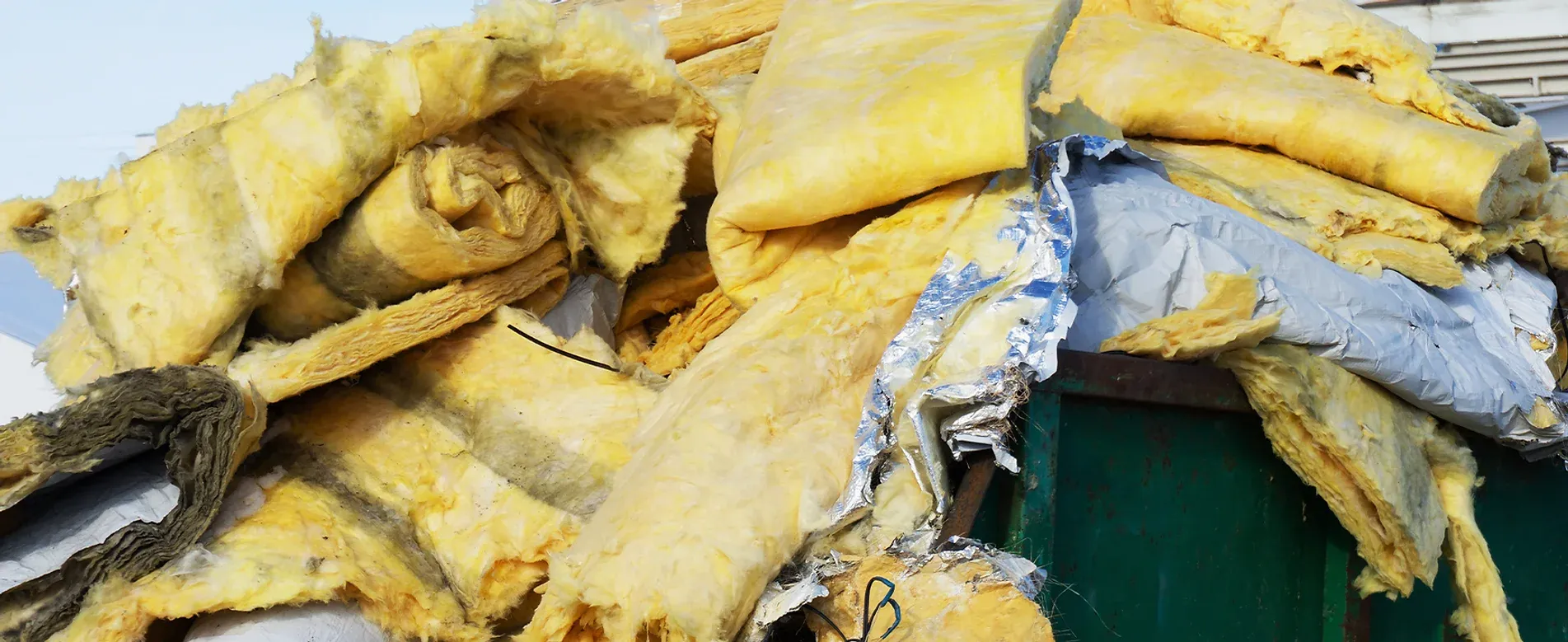
Not every job starts with installation. Homes in Gilbert that have had roof leaks, rodent activity, or decades of dust infiltration often need the old material out before anything new goes in. Our removal process uses high-powered vacuum equipment that pulls insulation directly out of the attic into containment outside the home, so debris does not track through your living space. Once the attic floor is bare, we can finally see and seal every penetration, which is impossible to do properly through twelve inches of old fiberglass.
A typical Gilbert attic project, removal plus air sealing plus new blow-in, usually takes one to two days depending on square footage and access. You do not need to leave the house. We protect floors and walls along the path from the attic access to the truck, and we clean up before we leave.
Pricing depends on attic size, material choice, whether removal is needed, and how much air sealing the job calls for. Typical market ranges for attic insulation in the East Valley run from the low thousands for a straightforward blow-in top-off to significantly more for full removal and spray foam conversions. We give you a written quote after the evaluation so you know exactly what the job involves before any work starts. Homeowners we serve in Chandler and Mesa get the same process and the same straight answers.
Production-Builder Duct Systems in Gilbert Attics: What to Check Before You Insulate
Gilbert grew fast, and most of its housing stock came from production builders working to a price point. That does not mean the homes are poorly built, but it does mean the duct systems in the attic were installed for speed. We regularly find flex duct with long unsupported runs that sag between trusses, connections sealed with tape that has dried out and failed, and supply boots with gaps where they meet the drywall. Every one of those gaps leaks conditioned air into the attic.
This matters for insulation work because burying a leaky duct system under deeper insulation hides the problem instead of fixing it. Before we add insulation in a Gilbert attic, we walk the duct layout, seal connections with mastic, re-strap sagging flex runs so air actually flows at design velocity, and seal the boot-to-drywall gaps from above. Then the insulation goes down. Doing it in that order means the insulation you pay for is not compensating for air you are losing into the attic. If your Gilbert home was built in the last 25 years and some rooms never quite cool down, the ducts are the first place to look. Call (480) 573-6554 for an attic and duct evaluation.
Add Insulation Before You Upsize or Replace Your AC Unit
When an AC system struggles through a Gilbert summer, the instinct is to replace it with a bigger unit. Sometimes replacement is genuinely needed, but upsizing without fixing the building shell often makes things worse. An oversized unit cools the air quickly and shuts off before it has removed enough humidity or run long enough to even out temperatures between rooms. You end up with a cold, clammy house that still has hot spots, plus a larger equipment bill than you needed.
The correct order of operations is to reduce the load first. Air sealing, proper attic insulation depth, and sealed ducts can cut your cooling load substantially. Once the house holds temperature the way it should, a load calculation on the improved home frequently shows the existing unit is adequate, or that a smaller replacement will do the job better than the oversized one you were quoted.
There is a second benefit to insulating first: equipment life. A system that runs shorter, less frequent cycles in a house that holds its temperature experiences less wear than one running constantly against a leaky, under-insulated shell. Insulation is typically a fraction of the cost of new AC equipment, it never wears out, and it pays you back every month whether or not you end up replacing the unit later. Get the shell right first, then let your HVAC contractor size equipment to the house you actually have.
Frequently Asked Questions
Q: My Gilbert home was built in 2008. Can the insulation really be worn out already?
Insulation in a 2008 home is not necessarily worn out, but it has likely settled, shifted, or been disturbed by years of attic traffic from technicians and installers. Builder-grade blow-in commonly loses several inches of depth within the first decade or two, and the air sealing underneath it was usually minimal to begin with. An attic inspection takes the guesswork out of it.
Q: Will new insulation actually lower my summer electric bill?
Proper insulation and air sealing reduce the heat load entering your home, which means your air conditioner runs less to hold the same temperature. Most homeowners notice the difference in comfort first, especially in rooms that used to run hot, and in reduced AC runtime. Exact savings vary by home, and anyone who quotes you a guaranteed percentage is guessing.
Q: Is spray foam worth it for a Gilbert tract home?
It depends on what is in your attic. If your ductwork and air handler are up there, spraying the roof deck to create a semi-conditioned attic often makes a dramatic difference, particularly for two-story homes. If the attic is empty and access is good, blown-in with thorough air sealing is usually the more cost-effective path.
Q: How long does an attic insulation job take?
Most Gilbert attic projects take one to two days. A simple blow-in top-off can be finished in a few hours. Jobs involving removal, extensive air sealing, or spray foam take longer. We give you a timeline with the quote.
Q: Do I need to remove my old insulation before adding new?
Not always. If the existing material is dry and clean, new blow-in can go right over it. If there is rodent contamination, water damage, or heavy matting, removal first is the correct approach, and it also lets us air seal the attic floor properly.
Q: What R-value should my Gilbert attic have?
Current recommendations for our climate zone are typically R-38 to R-49 for attics. Many Gilbert homes built in the 1990s and 2000s are sitting at effective levels well below that once settling is accounted for.
Q: Do you work outside of Gilbert?
Yes. We serve the broader East Valley including Chandler, Mesa, Tempe, and Ahwatukee. Call (480) 573-6554 to schedule an evaluation anywhere in our service area.
Insulation Services Available in Gilbert
Need Spray Foam in Gilbert?
Talk with our team about your home, building or upcoming project.
Common Questions
Do you provide insulation services in Gilbert?
Yes. Tempe Spray Foam Insulation provides residential and commercial insulation in Gilbert, including spray foam insulation, blow-in insulation, batt insulation, radiant barriers, insulation removal, with free written estimates.
What type of insulation is best for Gilbert homes?
It depends on the building. Attics, walls, garages and additions each hold and lose heat differently, so we assess the space during a free estimate and recommend the material that fits rather than defaulting to one method.
How do I get a free insulation estimate in Gilbert?
Call us and we will schedule an on-site assessment of your Gilbert property, then give you a written scope and price before any work begins.